Why your city no longer behaves like it used to
There was a time when seasons arrived like clockwork.
Summers were expected. Monsoons were awaited. Winters had their place. People didn’t check weather apps every hour; they simply knew what the next few months would feel like.
Today, that rhythm feels different.
Not completely broken, but clearly changed.
A Subtle Shift We’re All Noticing
You may not need scientific reports to feel it.
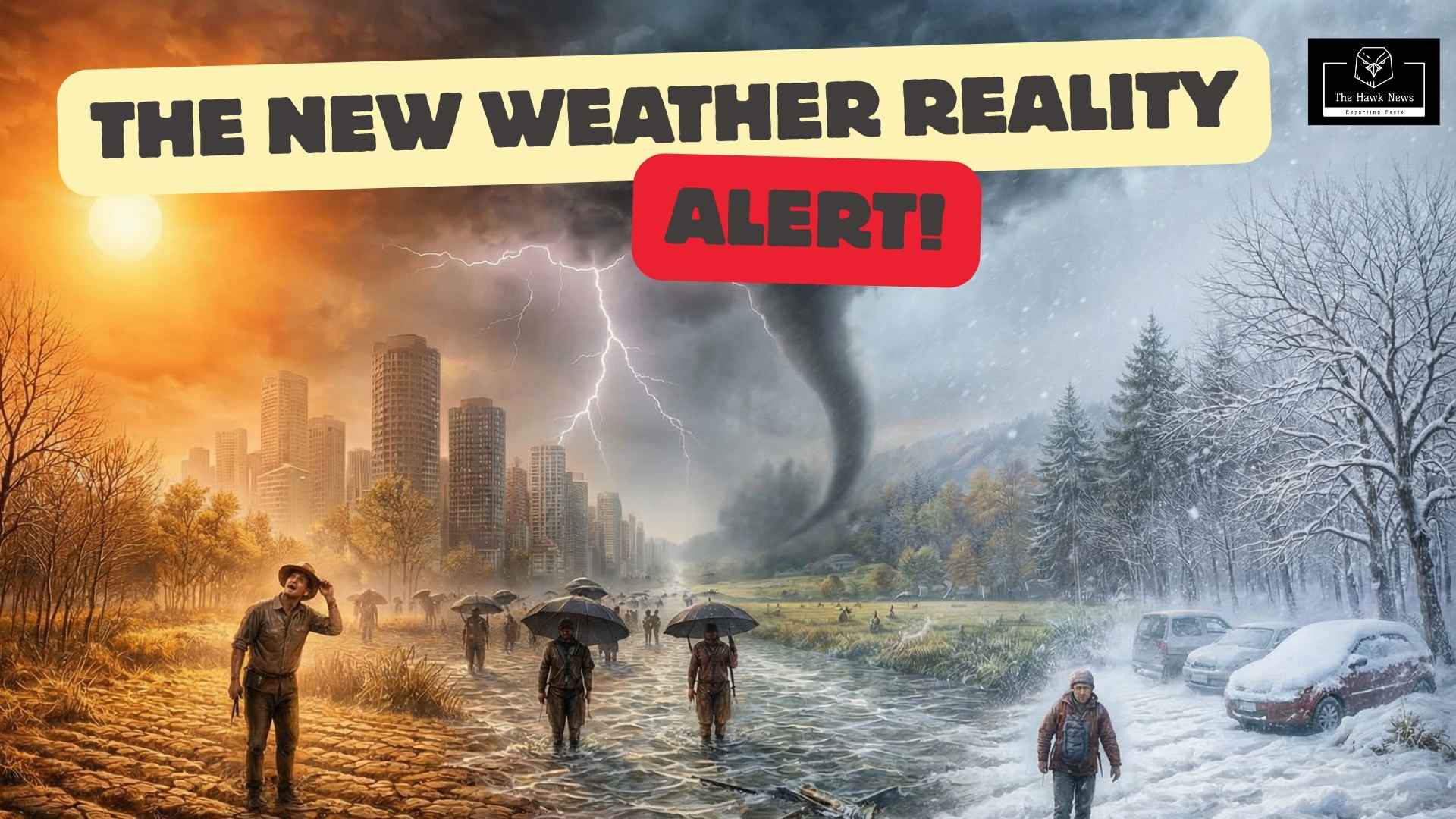
- Nights are warmer than they used to be
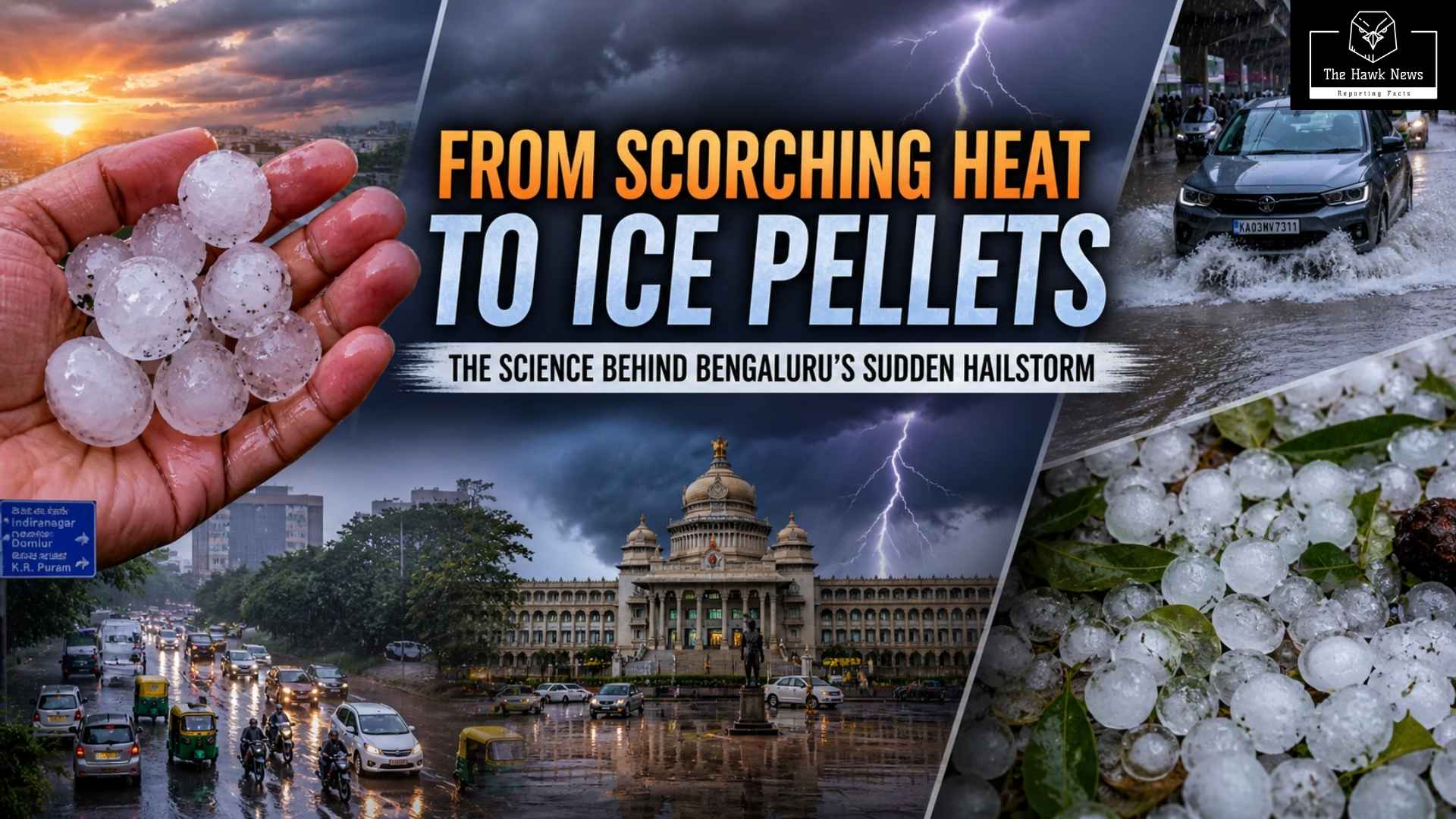
- Rain comes suddenly, heavy and short instead of steady
- Cities flood after a few hours of rain
- Some regions wait longer for monsoons, only to receive too much at once
This is not just “bad weather.” It is part of a larger shift scientists describe as climate change; a gradual change in long-term weather patterns across the planet.
According to the Intergovernmental Panel on Climate Change, global temperatures have already risen by around 1.1°C compared to pre-industrial levels.
That may sound small, but its effects are far-reaching.
“Even small increases in global temperature can lead to large changes in weather extremes,” notes the IPCC in its recent assessments.
From Fields to Cities: Real Impact on Daily Life
This shift is not just environmental, it is deeply personal.
Farmers are adjusting crop cycles because rainfall is no longer predictable.
Urban families are dealing with sudden flooding in areas that never flooded before.
Heatwaves are not just uncomfortable, they are affecting health, sleep, and productivity.
A study published in the journal Nature Climate Change highlights that extreme weather events have increased significantly in both frequency and intensity over the past few decades.
“What we are seeing is not isolated events, but a pattern of increasing unpredictability,” the study notes.
This Is Not Just Local - It’s Global
What’s happening in one city is part of a much larger picture.
- Europe has seen record-breaking heatwaves
- The United States has faced wildfires and powerful storms
- Coastal regions worldwide are dealing with rising water risks
In many ways, the world is going through a shared transition.
And that matters, because it reminds us that this is not an isolated issue, but a global one.
Understanding the Change Without Fear
Climate change is often discussed in extremes disasters, deadlines, and warnings.
But for most people, it shows up quietly.
In the way summer feels longer.
In how rain arrives differently.
In how weather no longer feels predictable.
Understanding this shift is important, not to create fear, but to build awareness.
Because awareness leads to better decisions.
What Can We Actually Do About It?
The changes may feel large, but our response doesn’t have to be overwhelming.
At a personal level
- Stay updated with reliable weather forecasts
- Adjust daily routines during extreme heat or heavy rain
- Practice simple habits like conserving water
At a community level
- Support better urban planning and drainage systems
- Encourage green spaces and tree cover
- Participate in local environmental efforts
At a broader level
- Be aware of policies and initiatives related to sustainability
- Support efforts that aim for long-term environmental balance
None of these are drastic steps. But together, they create resilience.
A Changing World - But Not a Hopeless One
The seasons may no longer follow the same patterns we once knew.
But something else is changing too awareness.
People are beginning to notice, understand, and adapt.
And that matters.
Because while we may not control the climate entirely,
we can control how prepared we are for it.
The Real Question Moving Forward
The question is no longer whether climate change is real.
The real question is:
Are we ready to understand it, adapt to it, and move forward with it?