
How constant connectivity is quietly reshaping our minds, sleep, and emotions
The first thing many people touch in the morning isn’t water it’s a screen.
Before getting out of bed, there’s a quick scroll. Messages, notifications, reels, emails. What starts as a “just two minutes” habit often stretches far longer.
And by the time the day ends, the screen is the last thing we see before sleep.
This is not unusual anymore. It’s routine.
But beneath this routine, something deeper is happening.
A Habit That Feels Normal But Isn’t Neutral
We live in a time where being “online” is no longer optional.
Work follows us home. Social media fills every pause. Even moments of rest are often spent scrolling.
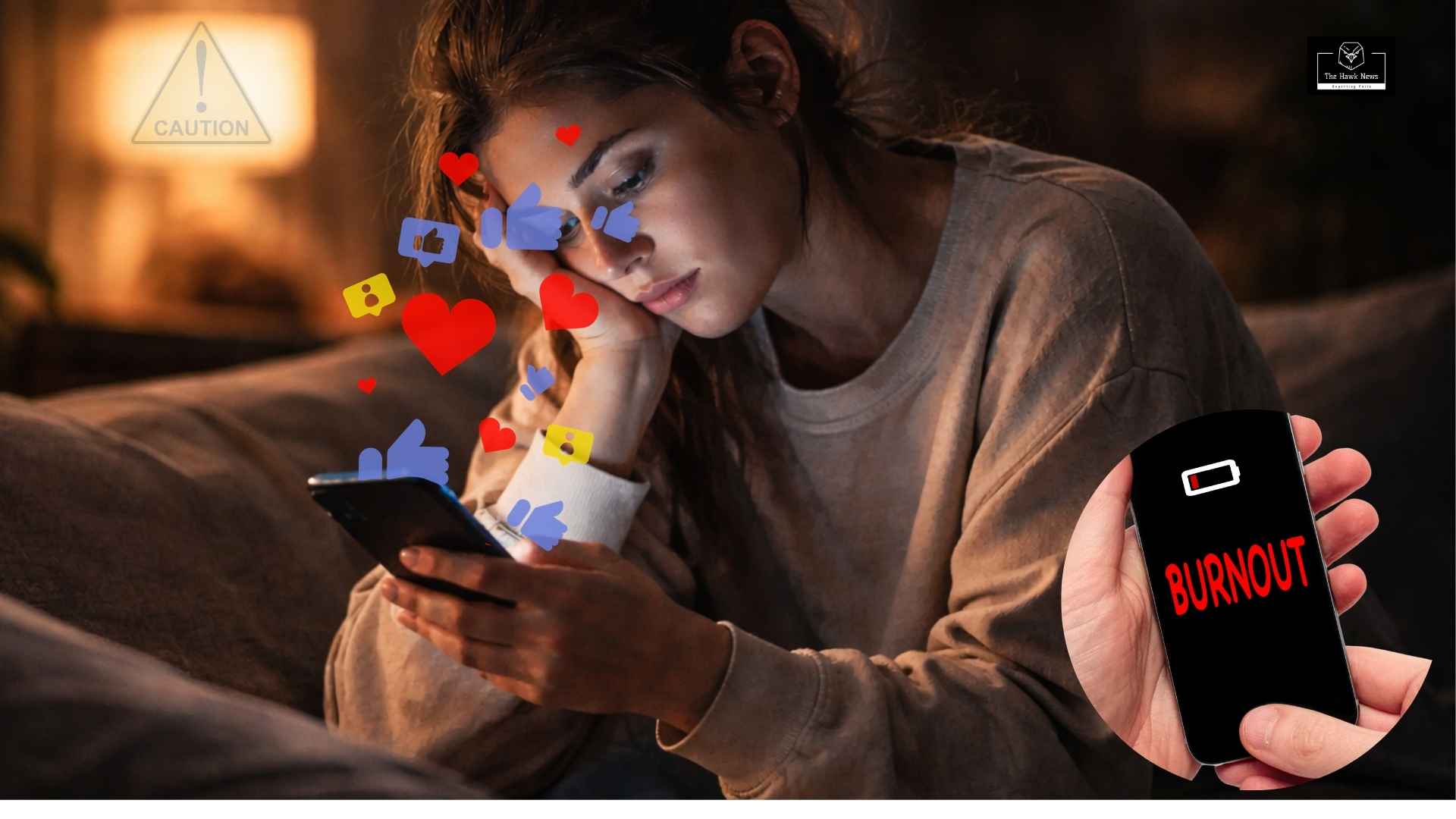
Experts are beginning to describe this constant exposure as digital burnout; a state of mental exhaustion caused by prolonged and excessive screen use.
According to the World Health Organization, prolonged digital exposure, especially without breaks, can contribute to stress, sleep disruption, and reduced overall well-being.
“Digital technologies have transformed how we live and work, but excessive use can impact mental health and quality of life,” health experts note.
Why It’s Happening: More Than Just ‘Too Much Screen Time’
Digital burnout is not just about hours spent on devices, it’s about how and why we use them.
Work Without Boundaries
Remote work and constant connectivity mean the workday rarely ends. Emails don’t wait, and messages expect instant replies.
Endless Scrolling
Short-form content reels, shorts, and feeds are designed to keep attention locked in. One video leads to another, often without awareness.
A report highlighted by Harvard Medical School suggests that these platforms tap into reward systems in the brain, making it harder to disengage.
“The brain is drawn to novelty and reward, and digital platforms are built to provide both continuously,” researchers explain.
The Effects: Quiet but Real
The impact of digital burnout is not always loud or dramatic. It builds slowly.
- Sleep feels lighter, or harder to begin
- Attention span shortens
- Anxiety increases without a clear reason
- Mental fatigue becomes constant
A study in Sleep Health found that excessive screen use, especially before bedtime, is linked to poor sleep quality and disrupted sleep cycles.
“Screen exposure before sleep interferes with the body’s natural rhythms,” the study notes.
What’s Happening Inside the Brain
At a deeper level, this is about stimulation.
Every notification, like, or new video triggers a small release of dopamine the brain’s “reward” chemical.
Over time, constant stimulation can make the brain expect continuous input, making silence or stillness feel uncomfortable.
This is why doing nothing even for a few minutes can start to feel difficult.
Finding Balance Without Disconnecting from Life
The solution is not to reject technology but to use it more consciously.
Small Personal Shifts
- Start the day without immediately checking your phone
- Create “no-screen” time before sleep
- Take short breaks between screen use
Setting Boundaries
- Define clear work hours, even when working remotely
- Turn off non-essential notifications
- Be intentional about what you consume, not just how much
Digital Awareness, Not Digital Fear
- Use screens as tools, not defaults
- Replace some scrolling time with offline activities
These are not drastic changes, but they restore control.
A Connected World With Room to Breathe
Technology is not the problem. It has made life faster, easier, and more connected.
But like anything powerful, it needs balance.
Because constant connection should not come at the cost of clarity, rest, or peace of mind.
The Real Luxury Today
In a world that never logs off,
the real luxury may soon be the ability to disconnect.