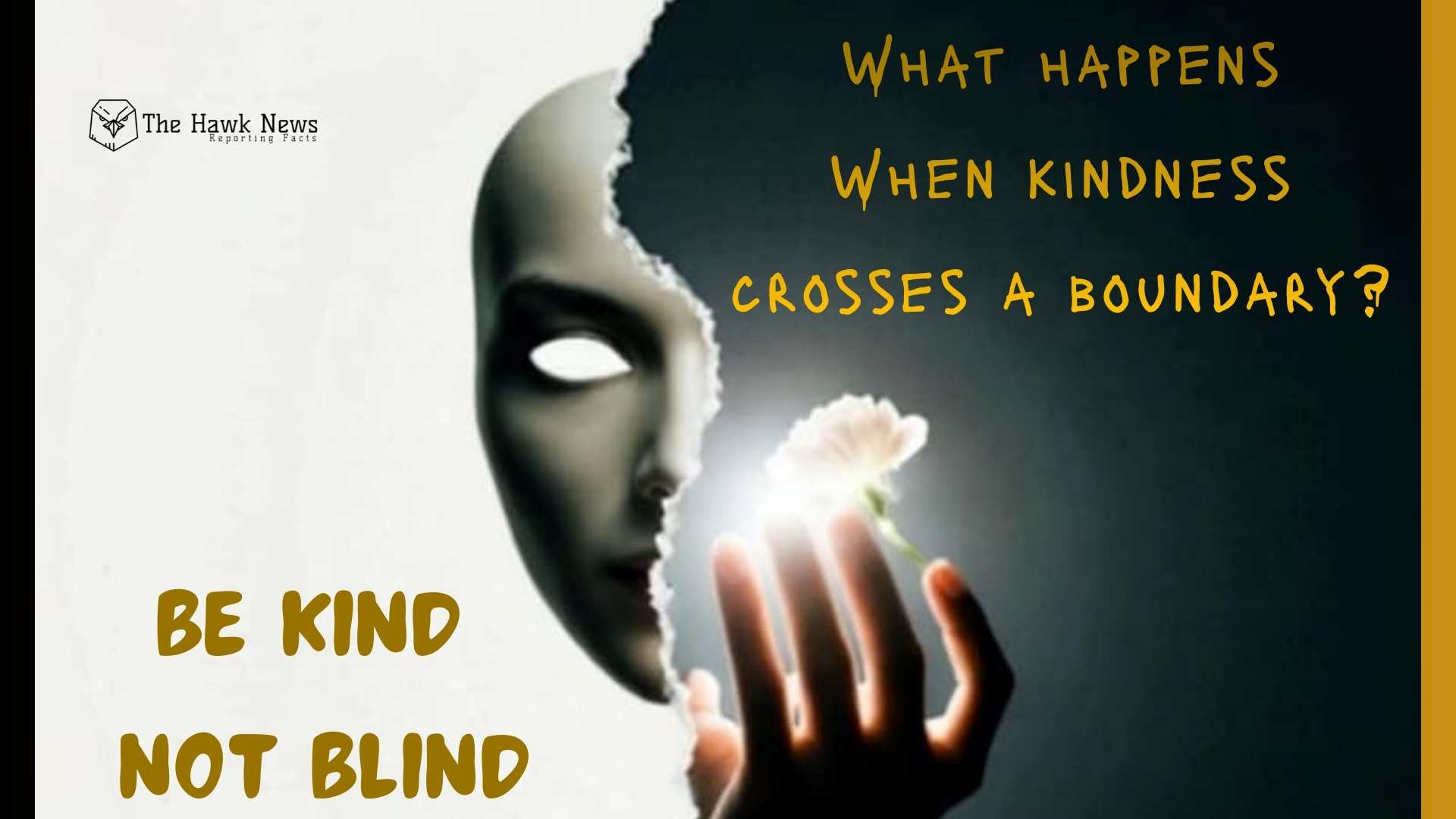
There are ideas that land softly, and there are ideas that arrive like a mirror—forcing us to confront truths we often avoid. Two lines from a book on knowing do exactly that:
1. “If a favor is not remembered, stop it before it becomes an obligation.”
2. “A favor not returned with gratitude will soon be repaid with contempt.”
At first glance, these statements seem harsh. But look closer, and you’ll see they carry a warning wrapped in wisdom—a warning every generation, especially today’s emotionally stretched, boundary-blurred society, needs to hear.
This is not an article about kindness.
This is an article about the cost of kindness when it is misunderstood.
When a Favor Turns into an Expectation
A favor, by definition, is a gesture of goodwill.
It is voluntary.
It is free.
It is born out of empathy.
But here is the trap:
When a favor is not acknowledged, people begin to assume it is owed to them.
Suddenly, your generosity becomes their default. Not remembering a favor is not innocent forgetfulness—it is the first sign of entitlement.
And entitlement is the gateway to exploitation.
The line “stop it before it becomes an obligation” is not cynicism—it is self-preservation.
It means:
- Do not train someone to depend on you without appreciation.
- Do not let your compassion be misread as unlimited availability.
- Do not let your boundaries become invisible.
In human behavior terms, this is reward conditioning.
What you keep giving without question soon becomes expected without gratitude.
The Dangerous Debt of Unspoken Gratitude
The second line goes deeper into human psychology:
“A favor not returned with gratitude will soon be repaid with contempt.”
Why would a person repay kindness with contempt?
Because gratitude requires humility.
And humility requires emotional maturity.
Some people cannot handle the feeling of being helped.
It makes them feel:
- smaller
- dependent
- inferior
- indebted
That internal discomfort leads to a psychological twist:
They begin to resent the person who helped them.
This behavior is widely documented in studies of cognitive dissonance—when the mind rewrites reality to avoid feeling indebted.
Instead of saying “thank you,” they convince themselves:
- “I didn’t really need your help.”
- “You think you’re better than me.”
- “You helped because you wanted something.”
- “You made me feel weak.”
And slowly, gratitude dissolves into resentment.
Kindness turns sour.
Relationships fracture.
This is not rare.
This is human nature—especially in relationships where boundaries are unclear.
The Hidden Lesson: Kindness Needs Discernment
These two statements, taken together, offer a map for emotionally healthy living:
- Identify the ungrateful early.
Not everyone deserves access to your generosity. - Understand the psychology of indebtedness.
Not everyone knows how to receive help without turning defensive. - Protect your emotional bandwidth.
Continuous giving without acknowledgment drains the soul. - Redefine what it means to be kind.
Kindness without boundaries is not kindness; it is self-neglect.
This is not about becoming guarded or suspicious.
It is about becoming aware.
The Cultural Trap: Why We Glorify Being “Available”
Modern society has created a dangerous myth:
that “good people” never say no.
We applaud self-sacrifice.
We glorify emotional endurance.
We romanticize being overextended.
But generosity without limits breeds two outcomes:
the giver burns out, and the receiver disconnects from gratitude.
The lesson?
You are not meant to bleed every time someone else has a cut.
Why These Truths Matter Today
We live in a generation of blurred boundaries:
- texting back instantly is considered respect
- saying no is considered rude
- constant helping is considered love
- over-extension is considered loyalty
This mindset is breeding emotional exhaustion on one side and entitlement on the other.
The book’s two statements challenge that culture by revealing a hard truth:
Not everyone values what you give.
And some will resent you for giving it.
Once you understand this, your kindness becomes sharper, wiser, and stronger.
An Eye-Opener, Not a Warning
These ideas don’t tell us to stop helping.
They tell us to stop helping blindly.
They don’t tell us to expect payback.
They tell us to expect basic human decency.
They don’t tell us to close our hearts.
They tell us to close the doors that drain us.
And perhaps that is the true meaning of favor:
Not a transaction, not a debt, not a burden—
but a gesture exchanged in the currency of respect.
When that respect is missing, the favor becomes corrupted.
When gratitude disappears, connection disappears with it.
A Final Thought
If kindness is your nature, keep it.
If generosity is your instinct, honor it.
But do not let your heart become a resource others feel entitled to consume.
Favor must be given with love—
but it must be protected with wisdom.
Because the truth is simple:
What is not valued will eventually be violated.
What is not appreciated will eventually be abused.
And what is taken for granted will eventually turn against you.