
From deadly discovery to life-saving science — the story of how one glow changed medicine forever.
The Glow That Captured the World
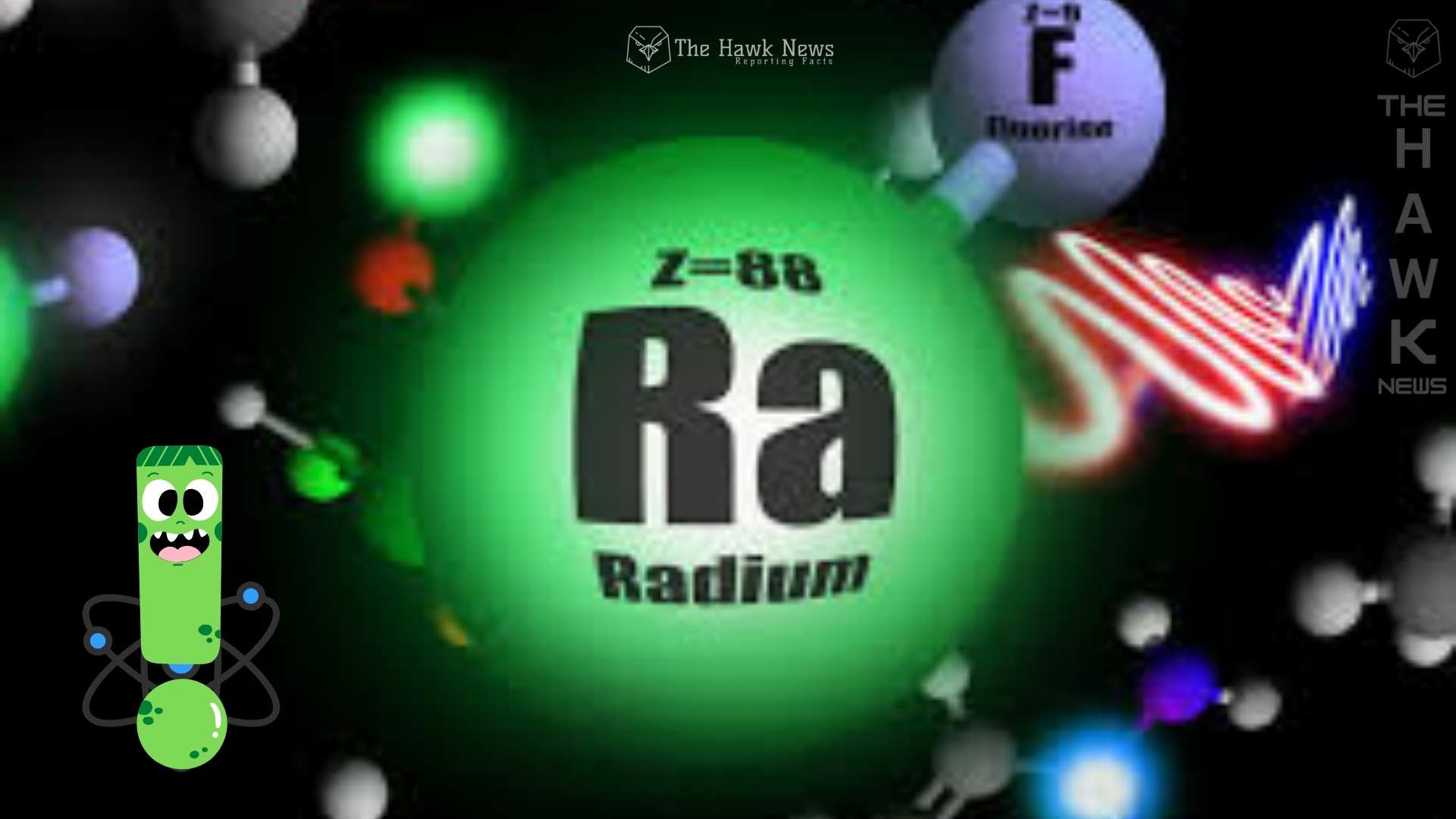
When Marie Curie first separated a glowing blue-green element from tons of pitchblende in 1898, she did not know she was holding both a miracle and a warning.
Radium shimmered with an otherworldly light — warm, mysterious, almost alive — and in an age that believed the universe still held enchanted secrets, its glow felt like a doorway into something divine.
Scientists marvelled.
Doctors wondered.
The world imagined cures for every sickness.
But beneath that beautiful glow was a truth no one yet understood:
what heals can also harm, what cures can also consume, and what revolutionizes medicine often begins its journey in the shadows of risk.
Radium would go on to change everything about how we treat cancer today — but not before it tested humanity’s humility, courage, and capacity to learn from its own mistakes.
The Dangerous Wonder: How Radium First Entered Medicine
In the early 1900s, radium was believed to be a miracle element.
It was sold in toothpaste, skin creams, drinking water tonics, candies, face powders, and even “radioactive chocolate bars” because people were convinced it could restore energy and youth.
Doctors used it to treat:
- arthritis
- asthma
- anemia
- skin conditions
- fatigue
- infections
The world was in love with the glow.
But Marie Curie did not see enchantment — she saw potential. She believed radiation could shrink tumors, attack diseased tissue, and target cells that the human hand could never reach.
She was right.
But the world had no safety rules.
No protection.
No understanding.
Radium entered medicine like a bright flame in a room full of dry leaves — illuminating everything while quietly burning what held it.
The Human Cost: What We Learned Too Late
Marie Curie herself paid the price of discovery.
She worked with radioactive materials with bare hands, placed radium salts in her pockets, stored them in her desk, and carried notebooks that still, to this day, remain dangerously radioactive.
She eventually died from aplastic anemia, a condition linked to prolonged radiation exposure.
But she was not the only one.
Thousands suffered:
- scientists
- factory workers (“Radium Girls”)
- early physicians
- patients treated with unregulated radiation
Bones softened.
Teeth fell out.
Organs failed.
Bodies glowed with radiation that refused to leave.
Radium’s glow revealed the harsh truth:
Discovery without discipline becomes destruction.
Innovation without boundaries becomes danger.
Healing must be guided by wisdom — not wonder.
The Shift: When Fear Became Knowledge and Knowledge Became Medicine
As tragedies unfolded, the world began to learn.
Scientists studied radiation’s effects more carefully.
Doctors established shielding, dosage limits, and exposure rules.
Medical physicists emerged as a new profession.
Regulatory bodies created safety standards.
Slowly, the glow transformed from a hazard to a tool.
From uncontrolled danger to calculated therapy.
From chaos to cure.
The turning point was simple yet profound:
Radiation, when controlled, could destroy cancer cells more precisely than any scalpel.
This realization changed oncology forever.
From Radium to Radiotherapy: How a Dangerous Element Became a Life-Saving Force
Today, radiation therapy is one of the most effective cancer treatments in the world.
It is used in:
- breast cancer
- brain tumors
- lung cancer
- cervical cancer
- prostate cancer
- lymphoma
- thyroid cancer
- skin cancers
Modern radiotherapy uses:
✅ linear accelerators
✅ controlled beams
✅ targeted precision
✅ computer-guided treatment
✅ strict safety protocols
The glow that once killed is now used to heal, with safety so tight that risk has been reduced to a minimum.
Millions survive cancer today because radiation therapy — born from radium — allows doctors to target tumors that surgery cannot reach and medicines cannot break.
The same force that once ravaged the human body now saves it.
That is the paradox of scientific progress:
every cure is born from trial, error, sacrifice, and the courage to confront the unknown.
Marie Curie’s Legacy: A Reminder That Science Evolves Through Sacrifice
Marie Curie never patented her discovery.
She refused to profit from radium.
She wanted the scientific world to benefit freely.
She worked in poverty while the world used her discovery in cosmetics and commercial products.
Her laboratory was cold.
Her tools were crude.
Her health deteriorated quietly while she continued her research.
Yet she changed medicine more profoundly than almost any scientist in history.
Today:
- radiotherapy cures cancers
- nuclear medicine detects early disease
- radiation imaging saves lives daily
Every time a patient rings a bell to mark the end of cancer treatment, part of that victory belongs to a woman who glowed in the dark for the sake of humanity.
The Lesson for Modern Health Science: Breakthroughs Come With Responsibility
Radium’s story is more than history — it is a warning for our generation.
Because even today:
- miracle cures are advertised
- health gimmicks appear promising
- wellness trends promise instant results
- supplements claim magic
- “breakthroughs” spread faster online than truth
The glow still tempts us.
But radium reminds us that:
Science and health must move slowly, humbly, and with relentless testing — not excitement.
Curiosity creates breakthroughs.
Caution keeps them safe.
Both are necessary.
The Final Thought: Healing Is Never Simple — But Always Possible
Radium was both blessing and burden, brilliance and danger, miracle and mistake.
But because humanity learned, adapted, corrected, and refined its approach, the glow that once harmed now heals millions across the world.
Marie Curie once said:
“Nothing in life is to be feared, it is only to be understood.”
And perhaps that is the true legacy of radium:
that even the most dangerous discoveries can become instruments of healing when guided by wisdom, compassion, and responsibility.
Her glow lives on — not in the element she isolated,
but in every life saved by the science she began.