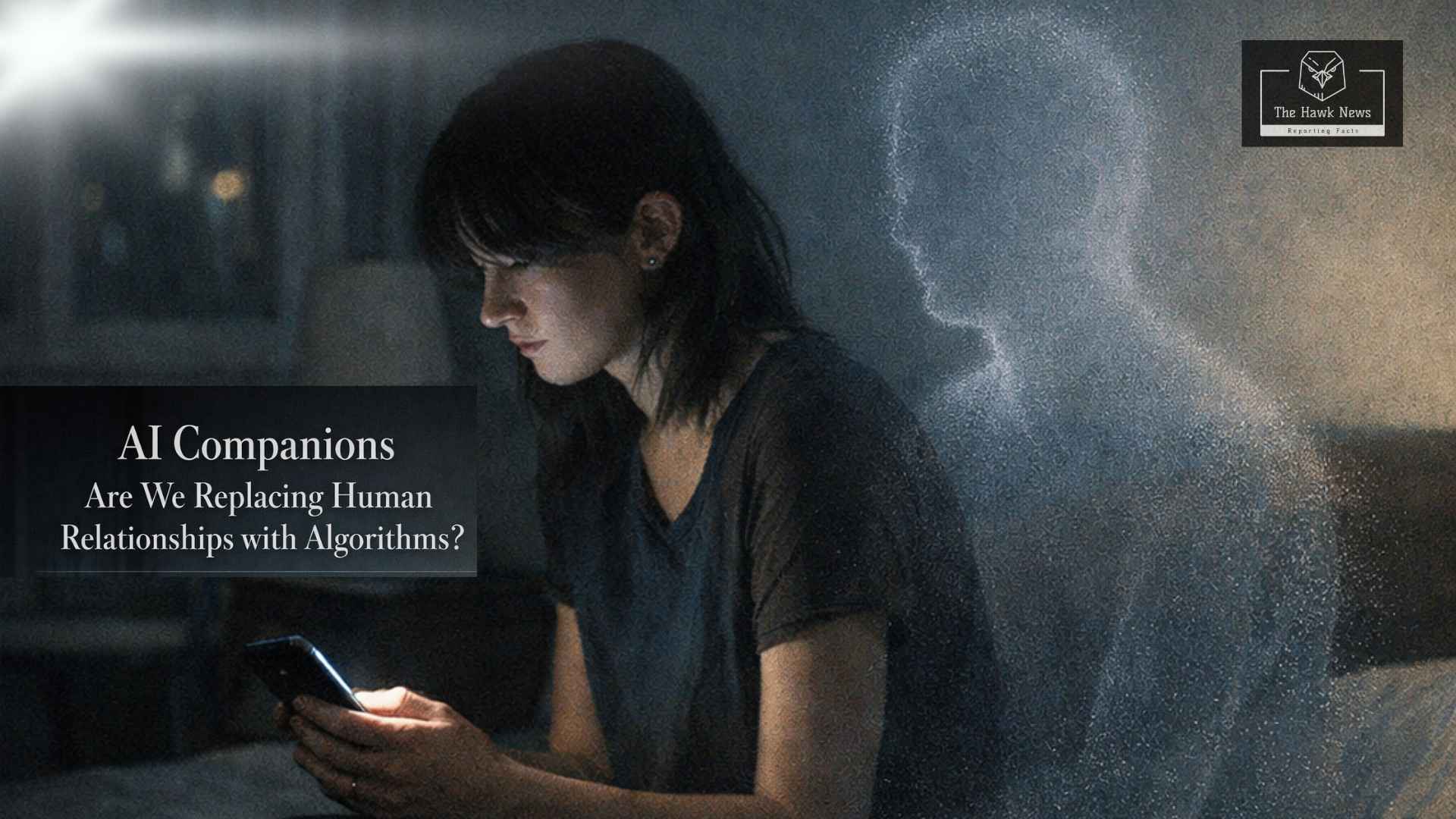
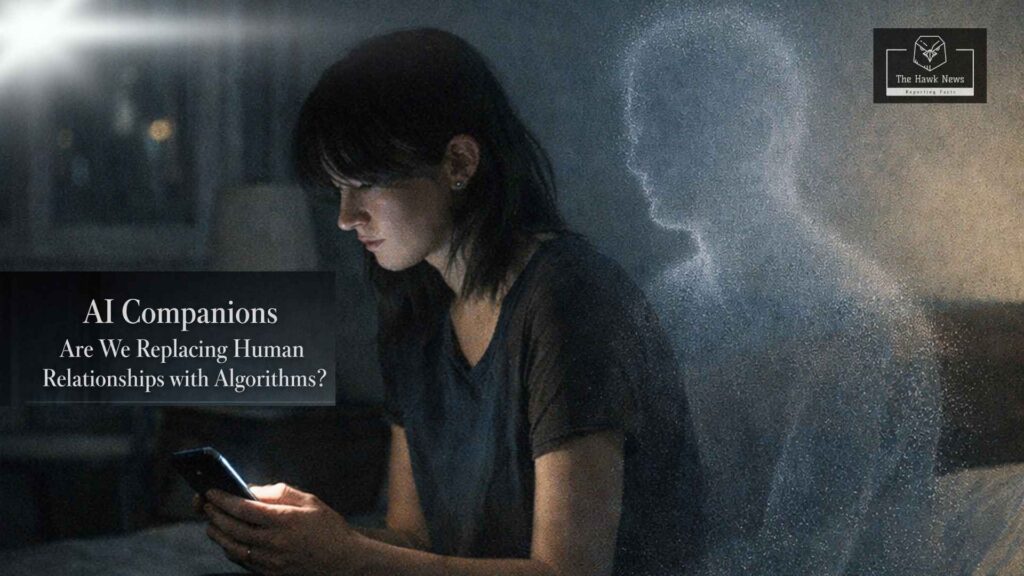
The quiet rise of emotional AI in a lonely digital age
The way we connect is changing.
Not just with people but with machines.
From chatbots that listen to AI tools that respond with empathy, technology is slowly stepping into a space that was once deeply human: companionship.
What began as convenience is now becoming something more personal.
The Rise of Emotional AI
AI is no longer just functional it’s becoming relational.
Platforms like Replika are designed to simulate conversations, understand emotions, and even build long-term interaction patterns.
For many users, these tools are not just assistants they are companions.
“It feels like someone is always there to listen,” one user shared in an online discussion.
Why People Are Turning to AI for Connection
This shift is not random.
- Loneliness is rising globally
- Social interactions are increasingly digital
- People seek safe, judgment-free spaces
A report by Harvard University highlights that loneliness has become a growing public health concern, especially among younger generations.
AI fills that gap always available, always responsive.
Convenience or Replacement?
There’s a difference between assistance and attachment.
AI can simulate understanding but it does not feel.
It responds but it does not experience.
This raises an important question:
Are we using AI to support human connection…
or slowly replacing it?
The “Loneliness Economy”
As emotional needs grow, so does a new market.
Companies are building products around connection, attention, and engagement — turning loneliness into an opportunity.
This is often referred to as the loneliness economy.
Finding Balance in a Connected World
Technology is not the enemy overdependence is.
What can help:
- Use AI as a tool, not a substitute
- Prioritize real-world interactions
- Be aware of emotional reliance on digital systems
The Real Question
AI may be getting better at conversation.
But connection is more than words.
Are we building relationships or just responding to them?