The Day Science Replaced What We Neglected
On December 2, 1982, inside the University of Utah Medical Center, doctors performed a surgery that stunned the world.
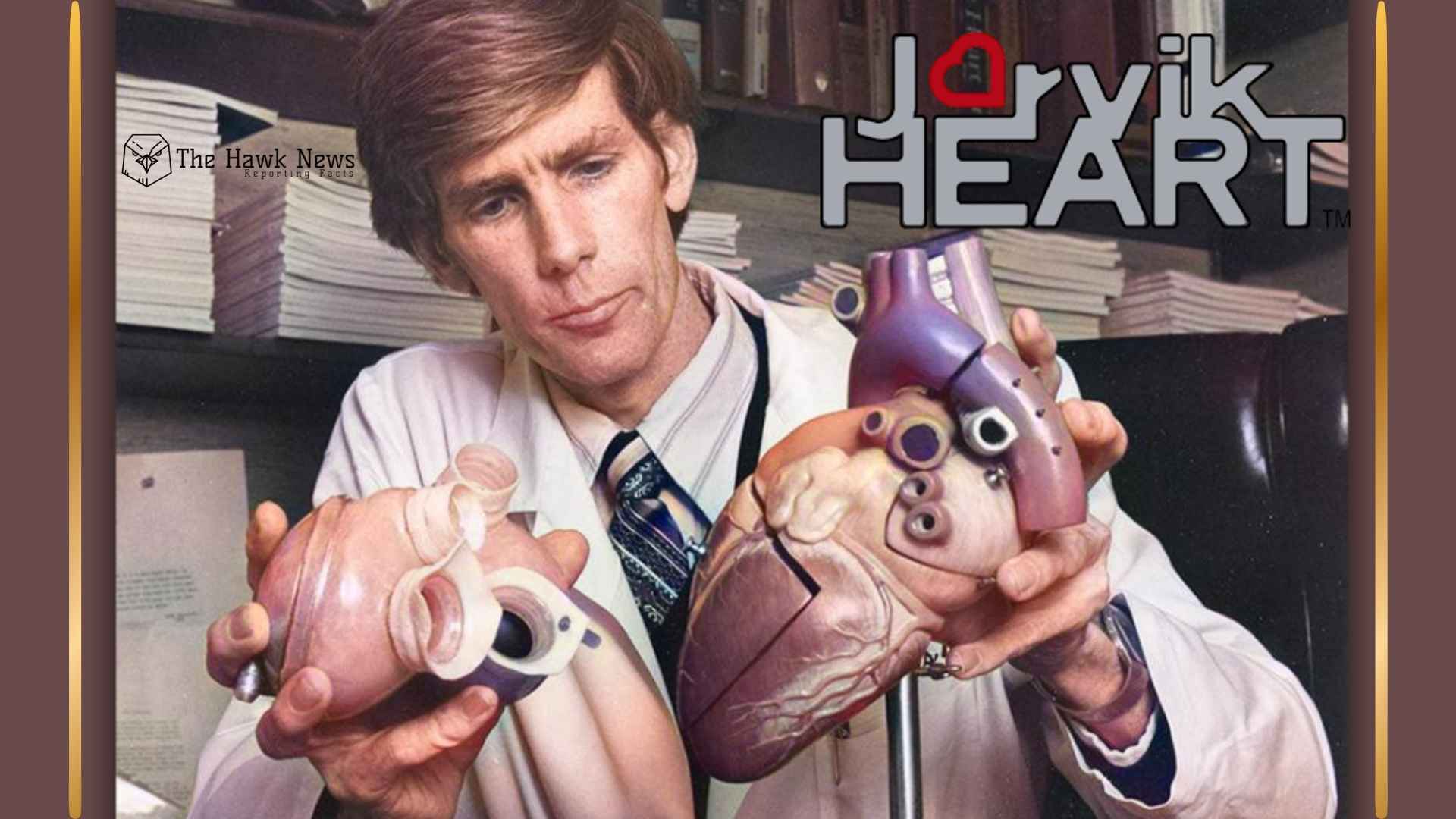
Barney Clark — a dentist, husband, father — became the first human to receive a permanent artificial heart, the Jarvik-7.
It was a feat that only decades earlier belonged in the pages of science fiction.
A metal-and-plastic pump taking over the work of nature itself.
Newspapers celebrated it as a medical leap.
Scientists testified to its potential.
Clark, lying in that hospital bed, became the face of human endurance.
But beneath the spotlight, beneath the applause for human innovation, lies a quieter, more universal truth — one that belongs not only to medicine, but to every one of us:
Science can replace a heart.
But it cannot replace what we fail to care for while it still beats.
This is the untold side of that historic day — a story not of machines, but of meaning.
We Protect the Visible — and Neglect the Vital
There is something painfully ironic about human nature -
We pour attention into the parts of ourselves that can be seen, and we ignore the part that keeps us alive.
We exfoliate the skin.
We moisturize the face.
We style the hair.
We monitor our weight.
We curate our photographs.
We trim the exterior so it looks presentable to the world.
But the heart — the organ silently carrying every joy, fear, disappointment, ambition, heartbreak, and memory — receives almost none of that devotion.
The face gets serums.
The heart gets stress.
The face gets masks.
The heart gets worry.
The face gets sleep.
The heart gets overload.
It beats — so we assume it will keep beating.
Until one day… it struggles.
And only then does it command our attention.
Barney Clark’s surgery is remembered as a miracle.
And it was.Yet behind the miracle lies a profound reminder..
Human beings always start paying attention to the heart when it’s almost too late.
The Hidden Organ That Holds Our Real Weight
The heart is not just a biological pump.
It is the place where:
- Anxiety gathers
- Stress settles
- Loneliness echoes
- Pressure accumulates
- Fear tightens
- Anger shakes
- Loss bruises
Cardiologists often say,
“The heart remembers what the mind tries to forget.”
In 1982, the world watched as doctors replaced a failing heart with a mechanical one.
But today, four decades later, we face a different epidemic...
People are walking around with hearts that are still beating…
but emotionally exhausted.
Overburdened.
Under-valued.
It’s not always cholesterol.
Sometimes it’s heartbreak.
Sometimes it’s bitterness.
Sometimes it’s the weight of expectations.
Sometimes it’s living life in a storm with no umbrella.
Medical science can patch a blocked artery.
But it cannot heal a heart that is spiritually or emotionally neglected.
The Irony of Our Times: We Are Dying Faster, While Living Longer
We live longer now.
We have better treatments.
We have advanced machines.
We have drugs that can buy us years.
But we also:
- Work harder
- Sleep less
- Stress more
- Scroll endlessly
- Compare constantly
- Heal slowly
- Feel deeply
- Rest rarely
In 1982, Barney Clark’s artificial heart offered hope that medical engineering might someday extend human life beyond organic limits.
Today, we must ask a more uncomfortable question-
What good is a longer life if the heart inside it is tired, unprotected, and worn out before its time?
What Barney Clark Taught Us Without Saying a Word
Barney Clark did not survive long after his surgery — only 112 days.
But the world learned something priceless from him.
His surgery was not just a medical milestone.
It was a mirror.
A mirror that asks us:
Why do we treat our hearts as indestructible until the day they break?
Why do we give our hearts:
- constant stress
- avoidable anxiety
- emotional wounds
- toxic relationships
- sleepless nights
- unrealistic expectations
- silent suffering
And so little rest?
We maintain our cars better than we maintain our hearts.
Oil changes.
Tire pressure.
Servicing.
Check-ups.
We never wait for the engine to fail.
But our hearts?
We expect them to endure everything without complaint.
Until one day, the complaint becomes a crisis.
The Real Question: Who Takes Care of Your Heart?
Look around today.
People are more health-conscious… yet more heart-broken.
More aware… yet more overwhelmed.
More connected online… yet more disconnected inside.
We monitor heart rate on smartwatches,
but ignore the emotional storms tightening inside the chest.
We count steps,
but not the burdens.
We track calories,
but not the wounds.
We watch our weight,
but not what weighs on us.
And when the heart finally collapses — medically or emotionally —
we call it a tragedy.
But often, it was a lifetime of small neglects.
The Lesson We Must Carry Forward
Barney Clark’s artificial heart was a triumph of science.
But your living heart is a miracle of its own.
No machine can truly replace it.
No invention can replicate it.
No technology can feel what it feels.
So the real lesson from December 2, 1982, is not just admiration for medical mastery.
It is this -
Take care of your heart while it is still yours.
- Rest when your body whispers, not when it collapses.
- Leave when your spirit is suffocating, not when you are drained.
- Forgive so bitterness doesn’t poison you.
- Slow down before stress silences you.
- Speak your pain before it becomes pressure.
- Choose people who don’t strain your pulse.
- Protect your peace like your life depends on it — because it does.
Your face may age and still look beautiful.
But a heart that breaks silently can end everything.
The world celebrated the first artificial heart.
But the more important story is the one you live every day:
Your heart is the only home you cannot move out of.
Treat it like something irreplaceable — because it is.