“The Silent Epidemic” Behind the Roar of the Crowd
On the field, the cheers are deafening! Off the field, the silence is devastating!!
A former athlete sits in a quiet room, struggling to recall names, moments, even pieces of his own life. Once celebrated for his strength, he now battles something invisible something far more dangerous than any opponent he faced.
This isn’t an isolated story. This is a system.
The Injury You Can’t See
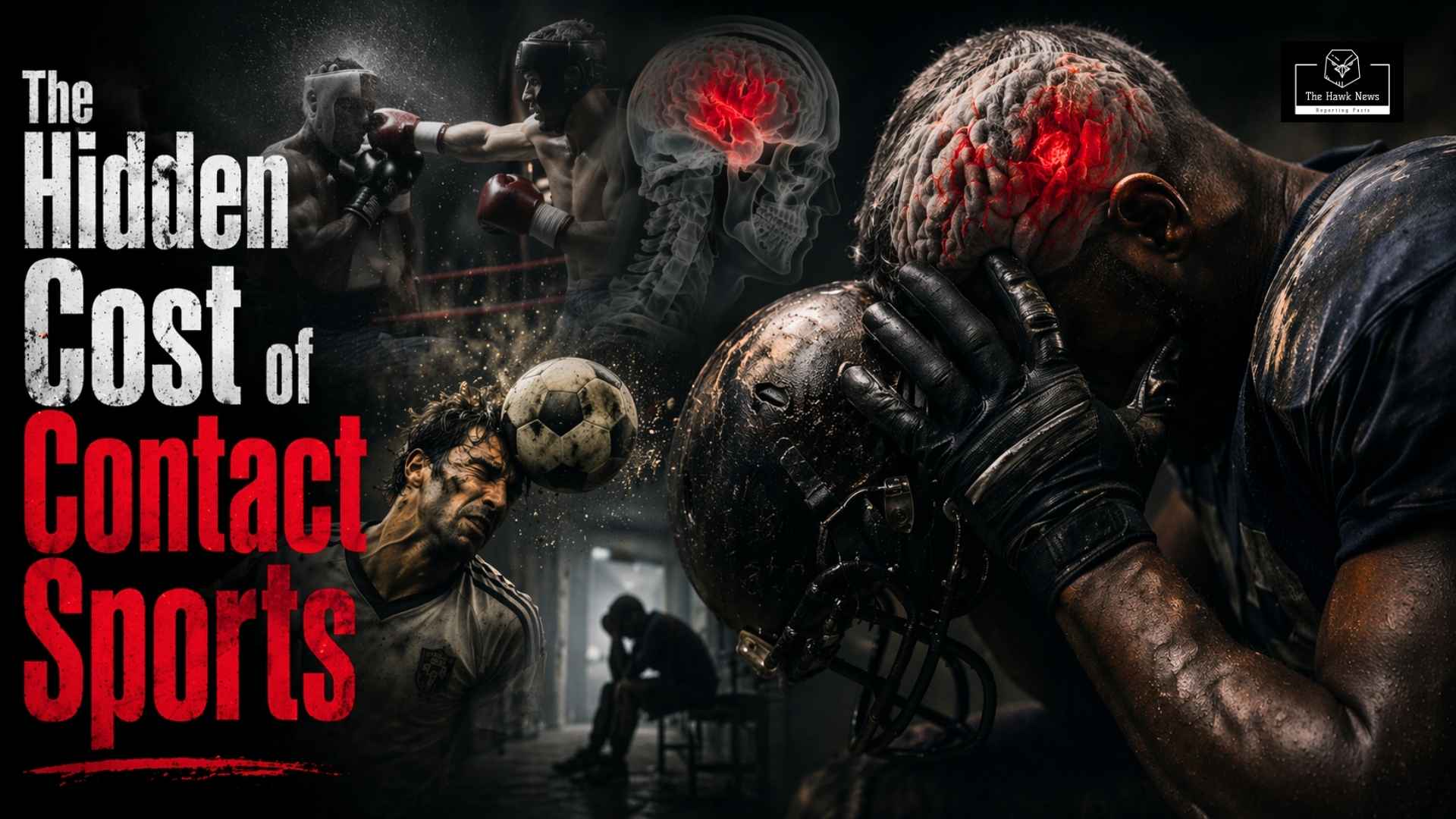
For decades, sports injuries were measured in broken bones and torn ligaments. But today, the real damage lies deeper inside the brain.
At the center of this crisis is Chronic Traumatic Encephalopathy (CTE), a degenerative brain disease caused by repeated head impacts. The cruelest part? It often goes undiagnosed until after death.
Players don’t just forget games. They forget lives!
Memory loss, emotional instability, depression, aggression these are not rare side effects. They are becoming the norm among athletes exposed to repeated concussions.
And yet, the games go on!
A Billion-Dollar Industry Built on Impact
Professional sports are no longer just games they are global industries.
Take the NFL, for instance. A multi-billion-dollar machine where every hit, every collision, every moment of physical intensity fuels viewership, sponsorships, and revenue.
But here’s the uncomfortable truth:
For years, the risks of brain injuries were minimized, delayed, or quietly settled behind closed doors.
Lawsuits were filed. Settlements were paid. Narratives were controlled.
And the players?
They kept playing.
When profit depends on impact, how honest can safety ever be?
Dreams Sold, Costs Hidden
Every year, thousands of young athletes step onto fields with dreams of glory. For many, sports are not just passion they are escape routes from poverty, pathways to recognition, and symbols of hope.
But how many are told the full story?
- That repeated headers in football (soccer) can affect brain function
- That boxers often suffer long-term neurological damage
- That even local contact sports carry invisible risks
The system celebrates their rise. But it rarely prepares them for the fall.
Are athletes truly choosing the game or being sold a dream with consequences they cannot yet comprehend?
Technology: Solution or Distraction?
Today, advancements in neurotechnology promise hope.
From brain-monitoring devices to innovative therapies, scientists and experts are working to manage symptoms of brain injuries and improve quality of life.
But this raises a deeper question:
Are we trying to fix the damage… instead of preventing it?
Because as long as the structure of high-impact sports remains unchanged, technology may only serve as a bandage on a wound that refuses to heal.
This Isn’t Just One League’s Problem
While much of the spotlight falls on American football, this is not confined to one sport or one country.
Across the world:
- Footballers repeatedly head fast-moving balls
- Boxers absorb intentional blows to the head
- Wrestlers, kabaddi players, and fighters endure constant impact
From global arenas to local playgrounds, the risk is embedded in the culture of competition itself.
This is not a league issue. This is a sporting reality.
The Audience’s Role: A Question We Avoid
Every cheer, every replay of a brutal collision, every viral clip of a knockout these are not just moments of entertainment.
They are part of a system sustained by demand.
Which leads to an uncomfortable but necessary question:
If the price of entertainment is a damaged brain, are we merely spectators… or silent participants?
The Final Whistle
Athletes walk onto the field as symbols of strength.
Too many walk away as survivors of something far more permanent.
The tragedy of sports-related brain injuries isn’t just in the damage; it’s in the delay, the denial, and the silence that allowed it to grow.
Because this was never just about the game.
It was about what we chose not to see.