There are days when history announces itself with fireworks — declarations of independence, revolutions, victories.
And then there are quieter days, where a judge’s pen scratches across a page and the world unknowingly pivots.
December 6, 1933, is one of those quiet revolutions.
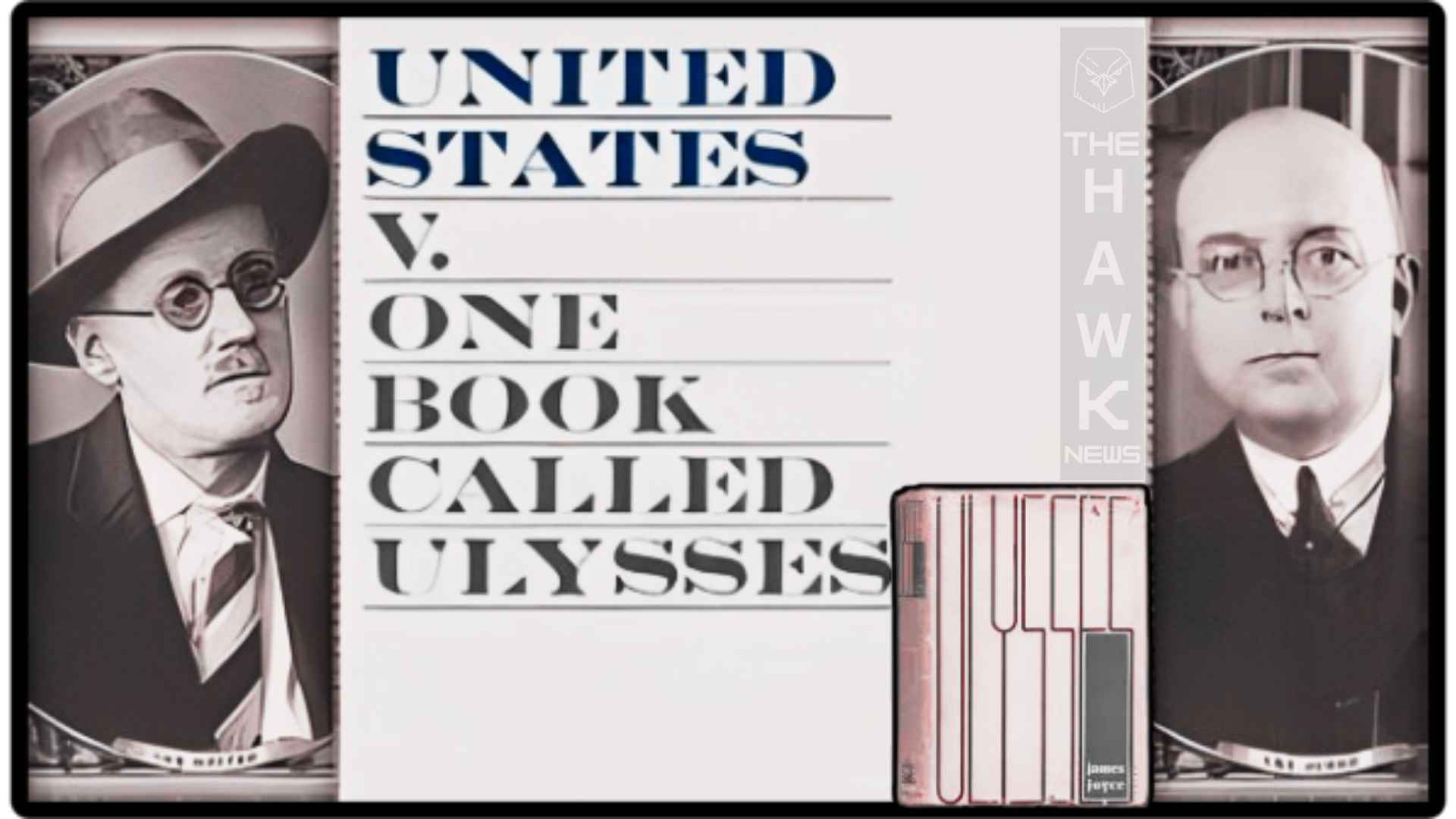
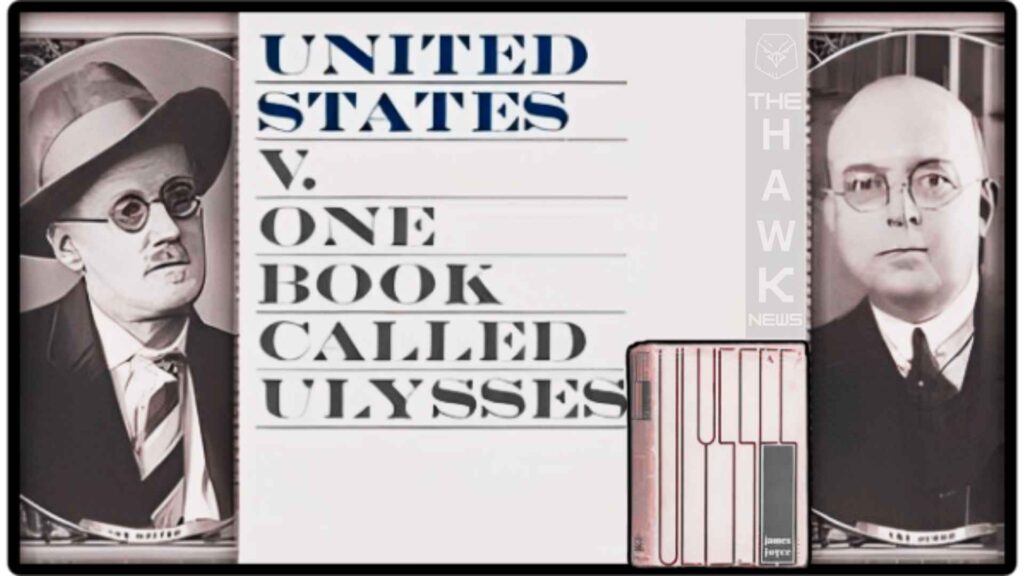
On that day, in a courtroom in New York, Judge John M. Woolsey delivered a ruling that would change literature forever:
James Joyce’s Ulysses was not obscene.
With that one decision, he overturned years of censorship, dismantled a cultural taboo, and opened the door to modern storytelling as we know it.
This was not just a win for a book.
This was the day freedom of art grew up.
The Book Too Dangerous for America?
When Ulysses was first published in 1922, it was hailed as a masterpiece in Europe — a groundbreaking, mind-bending, structure-breaking novel that followed a single day in the lives of Dubliners using stream-of-consciousness and unfiltered realism.
But in the United States?
The reaction was pure panic.
The book was banned.
Custom officials seized copies at ports.
Postal services confiscated shipments.
Publishers were threatened.
Why? Because Joyce dared to write honestly about:
- human thoughts, without filters
- sexuality, as it actually exists
- the raw, messy inner life of ordinary people
To the censors of the early 20th century, these things were not art — they were dangerous.
In 1921, the U.S. government declared parts of the novel “obscene,” especially the Molly Bloom monologue — a deeply intimate, internal reflection written with a level of honesty that readers had never seen before.
For a decade, Ulysses existed in the shadows in America.
It was smuggled, whispered about, and read secretly by writers who felt it held the key to a new era.
A Courtroom That Became a Battleground
Everything changed when Bennett Cerf, cofounder of Random House, decided he would not accept the ban.
He wanted a court case — a chance to challenge censorship itself.
So in 1933, when a copy of Ulysses was deliberately imported and seized by U.S. customs, Cerf’s team took it to court.
Enter Judge Woolsey, a man known for both intelligence and independence.
What he did shocked everyone.
Instead of relying on moral panic, he read the entire 700+ page novel — carefully — to understand its purpose.
And in December of that year, he declared:
“Ulysses is not pornographic. It is a sincere and honest book.”
— Judge John M. Woolsey, 1933
He didn’t mince words.
He said Joyce’s writing was not designed to arouse or corrupt anyone — it was meant to portray real human consciousness, unfiltered, in all its complexity.
In other words, Ulysses wasn’t obscene.
It was truth.
The Aftershocks: A New Age of Creativity Begins
The ruling wasn’t just a victory for one novel.
It transformed American culture.
Here’s what the Woolsey decision set in motion:
1. Literary censorship in the U.S. began to collapse
After Ulysses, it became harder to ban books merely because they contained sexuality or controversial ideas.
2. Modernist writers finally had room to breathe
Writers like:
- William Faulkner
- John Steinbeck
- Toni Morrison
- Allen Ginsberg
- Sylvia Plath
…all benefited from the legal space Joyce’s trial opened.
3. The American mind expanded
Readers were finally allowed to experience literature that reflected real life — not sanitized versions of it.
4. Freedom of artistic expression gained legal grounding
The case became a precedent for future First Amendment battles.
If Judge Woolsey had ruled differently, the American literary landscape might have remained censored, sanitized, and silent for decades.
Why This Matters to Our Generation (Yes, Gen Z too)
In a world where creators post online, publish independently, and constantly push boundaries, the Woolsey ruling feels weirdly familiar.
The fight over Ulysses is the same fight creators have today:
- What counts as art?
- Who gets to decide what is “acceptable”?
- Where do we draw the line between expression and offense?
- Should society protect people from ideas — or protect ideas from society?
Joyce’s trial reminds us of something crucial:
Art doesn’t become dangerous because it is explicit.
It becomes dangerous because it is honest.
The Quotes That Shook the System
Judge Woolsey’s own words are as raw and revolutionary today as they were in 1933:
“Ulysses is not pornographic.”
A foundational statement — blunt, clear, and brave.
“I hold that the words in Ulysses are not calculated to excite sexual impulses.”
He identified the difference between artistic truth and exploitation.
“Joyce has attempted… to show how the thoughts of the characters actually run.”
He recognized Joyce’s technique as innovation, not corruption.
These quotes make Woolsey not just a judge — but a defender of intellectual freedom.
The Legacy: A World With Fewer Walls
Today, Ulysses is celebrated as one of the greatest novels ever written.
Universities teach it.
Book fans fear it.
Writers worship it.
And creators borrow from it every time they break structure or write unapologetically.
But none of that would have happened in America without December 6, 1933 —
the day a judge declared that honesty was not a crime.
It’s one of history’s most powerful reminders that:
The freedom to read is the freedom to think.
And the freedom to think is the freedom to be human.