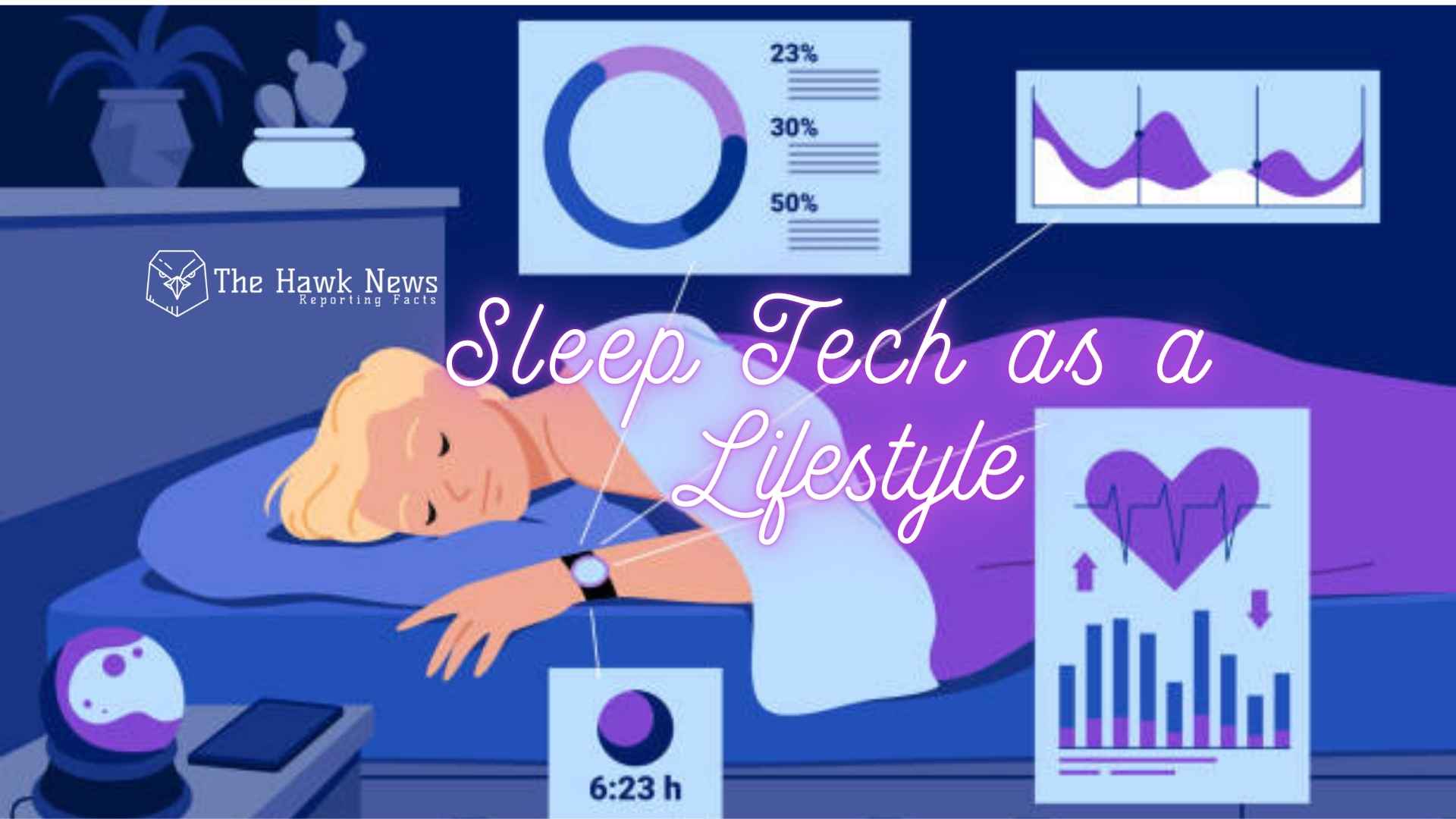

In today’s fast-paced world, sleep often feels like a luxury. Between endless notifications, late-night work, and social media scrolling, many struggle to get the rest their body and mind truly need. But technology is stepping in to change that. Welcome to the era of sleep tech—a blend of gadgets, apps, and wearable devices designed to help people sleep better, recover faster, and improve overall well-being.
Why Sleep Matters More Than Ever
Sleep is not just about rest; it’s essential for mental health, physical recovery, and cognitive function. Studies have linked poor sleep to anxiety, depression, weakened immunity, and even long-term conditions like diabetes and heart disease. Yet, surveys show that a significant portion of adults in India and globally sleep less than the recommended 7–8 hours per night.
The problem isn’t just time—it’s quality. Tossing and turning, waking up multiple times, or feeling groggy in the morning are all signs of disrupted sleep. This is where modern sleep technology comes in, helping users not only track their rest but actively improve it.
Gadgets That Monitor and Improve Sleep
Smart devices are now more sophisticated than ever. Wearables like Fitbit, Apple Watch, and Oura Ring track sleep cycles, heart rate, and even blood oxygen levels. These devices provide insights into how much deep, light, and REM sleep a person is getting, offering tips to optimize bedtime routines.
Some devices go beyond tracking. The Dreem headband, for example, uses gentle brainwave stimulation to help users fall asleep faster and reach deeper sleep stages. Smart mattresses like Eight Sleep adjust temperature throughout the night to improve comfort and restfulness, while Philips SmartSleep lights mimic natural sunrise to wake you gently, enhancing alertness in the morning.
Even smart speakers are joining the trend. Devices such as Google Nest Hub can monitor breathing patterns and body movement, offering personalized sleep scores and coaching suggestions.
Apps That Make Sleep Science Simple
Not everyone wants a wearable, and that’s where sleep apps come in. Apps like Calm, Headspace, and Sleep Cycle guide users through meditation, breathing exercises, and sleep tracking. They can detect snoring patterns, wake you during the lightest sleep phase, and provide reports to help you understand your habits.
Gamification is becoming a trend too. Apps like Pzizz use soundscapes, voice-guided relaxation, and customizable nap timers to make falling asleep feel like a rewarding, even enjoyable experience.
The Mental Health Connection
Better sleep isn’t just about feeling rested—it’s about improving mental health. Poor sleep amplifies stress and anxiety, reduces focus, and impacts emotional regulation. According to mental health experts, integrating sleep technology into daily routines can reduce insomnia, improve mood, and boost productivity.
In workplaces, some companies are even encouraging employees to track sleep patterns, offering wellness programs tied to sleep quality. By connecting mental health initiatives with sleep monitoring, organizations aim to create healthier, more resilient teams.
How Gen Z and Millennials Are Driving the Trend
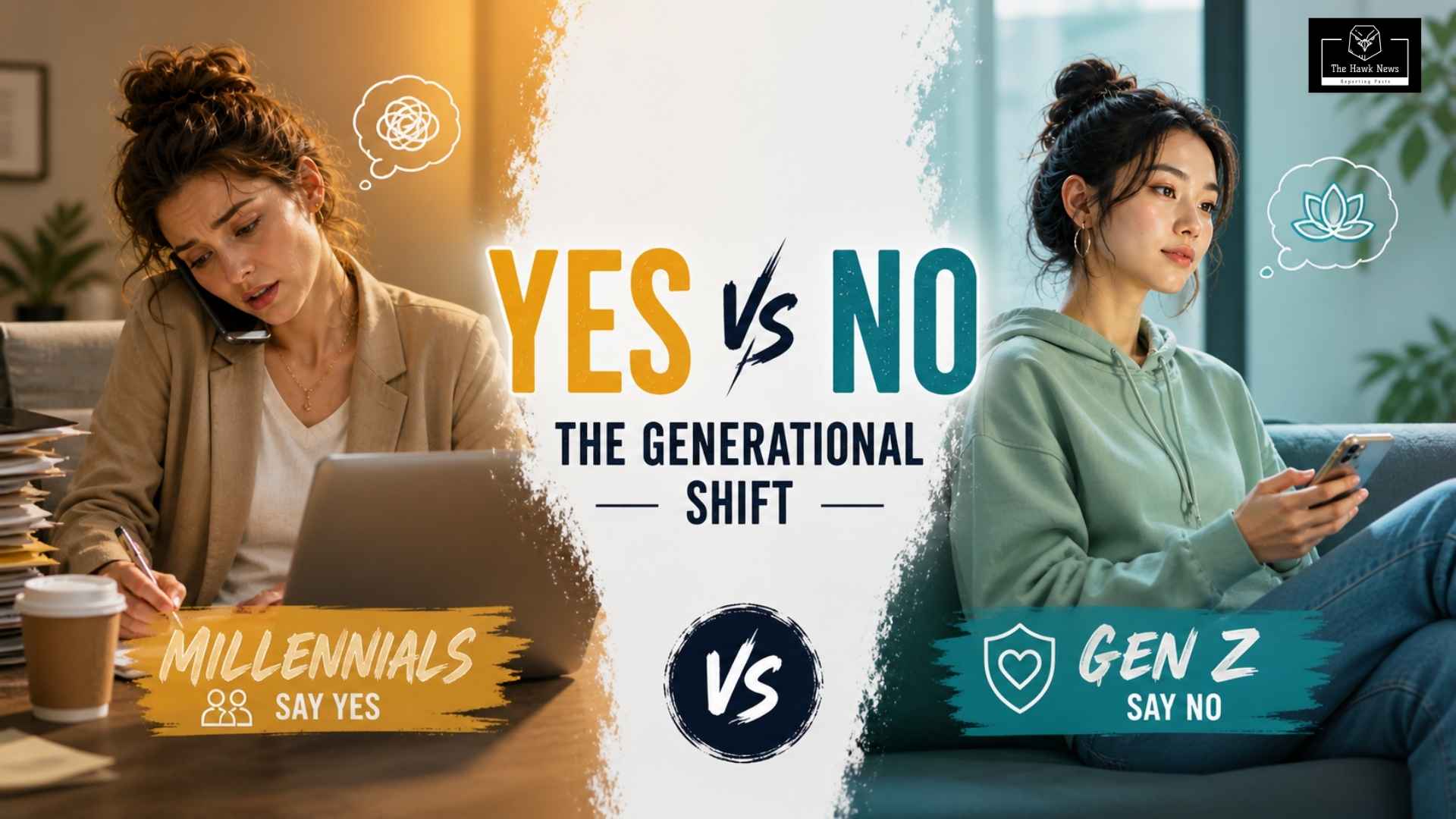
Younger generations are embracing sleep tech in a way older generations never did. For Gen Z and Millennials, tracking health data is almost second nature—just like counting steps or monitoring calories. Sleep tech fits into this lifestyle seamlessly.
Social media influencers and wellness bloggers frequently showcase their sleep routines, recommending gadgets and apps that improve rest. This visibility has created a culture where sleep is not a passive necessity but an actively managed part of daily life.
Challenges and Considerations
While sleep technology offers exciting possibilities, it’s not without challenges. Wearables can sometimes give inaccurate readings, causing unnecessary anxiety. Over-reliance on apps might make people obsess over metrics instead of enjoying rest naturally. Privacy is also a concern; devices collect sensitive health data, and users must understand how this information is stored and shared.
Experts recommend using sleep tech as a guide, not a rulebook. Observing patterns, experimenting with routines, and consulting medical professionals when needed remain essential for long-term health.
Beyond the Bedroom: Sleep Tech as a Lifestyle
Sleep technology is becoming part of a holistic wellness ecosystem. Many devices integrate with fitness trackers, smart home systems, and health apps to create a complete picture of physical and mental health. For instance, knowing how evening workouts, caffeine intake, or late-night screen exposure impacts your sleep can help you make smarter lifestyle choices.
Hotels and wellness retreats are also adopting sleep technology. Some luxury hotels now offer sleep pods, noise-canceling rooms, and circadian lighting systems to help guests experience optimal rest, showing that good sleep is becoming as important as gourmet meals or spa treatments.
The Future of Sleep Tech
The future promises even more innovation. Researchers are exploring AI-driven sleep coaching, personalized sound therapy, and wearable sensors that detect stress or hormonal changes impacting sleep. Integration with virtual reality (VR) may one day allow users to enter immersive relaxation environments before bedtime.
As technology evolves, one thing is clear: sleep is no longer a passive activity. With the right tools, individuals can take control of their rest, improving both health and quality of life.
Conclusion
In a world that rarely stops, sleep tech offers a much-needed pause. From wearables to apps, smart devices to immersive environments, technology is helping people understand their sleep patterns, manage stress, and reclaim rest as a vital part of life.
For anyone struggling with fatigue, anxiety, or restless nights, these tools provide both insight and guidance. But more importantly, they remind us that good sleep is a cornerstone of health, and with a little help from technology, it’s more achievable than ever.
Whether you’re a busy professional, a student, or a wellness enthusiast, exploring sleep tech is worth your time—because a rested mind is a sharper, happier, and healthier mind.