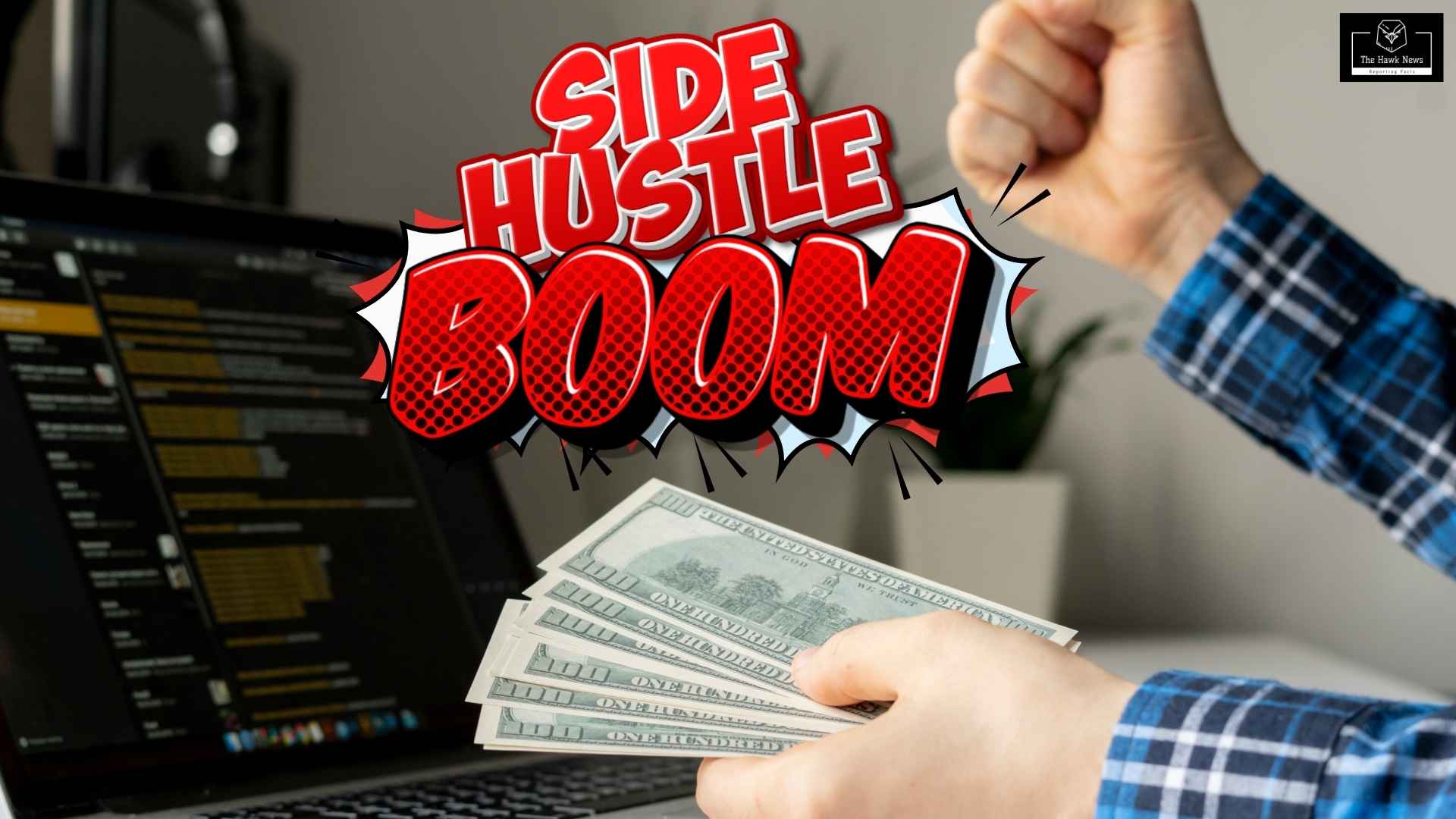
From survival to self-made success, the rise of side hustles reflects a deeper shift in how people view work, money, and independence.
The New Reality: One Income Isn’t Enough
“Your salary isn’t enough anymore—and people know it.”
Across India and beyond, this is no longer a passing concern—it is becoming a lived reality. Rising costs of rent, fuel, groceries, and education have pushed many salaried individuals to look beyond their primary income.
Search trends around “how to earn online,” “side income India,” and “passive income ideas” continue to surge—signaling a growing urgency to earn more.
What’s Driving the Side Hustle Boom?
1. Rising Cost of Living
Inflation has steadily increased the cost of everyday essentials, leaving little room for savings.
For many households, a second income is no longer optional—it is necessary.
2. The Digital Economy Explosion
The internet has transformed earning potential.
With just a smartphone and internet access, individuals are now able to:
- Freelance
- Create content
- Sell products online
- Monetise skills
This has democratised income in ways that were not possible a decade ago.
3. Flexibility Over Stability
Traditional jobs offer stability—but often lack flexibility.
Side hustles provide:
- Control over time
- Creative freedom
- Additional income streams
This shift reflects a growing desire to own one’s time and output.
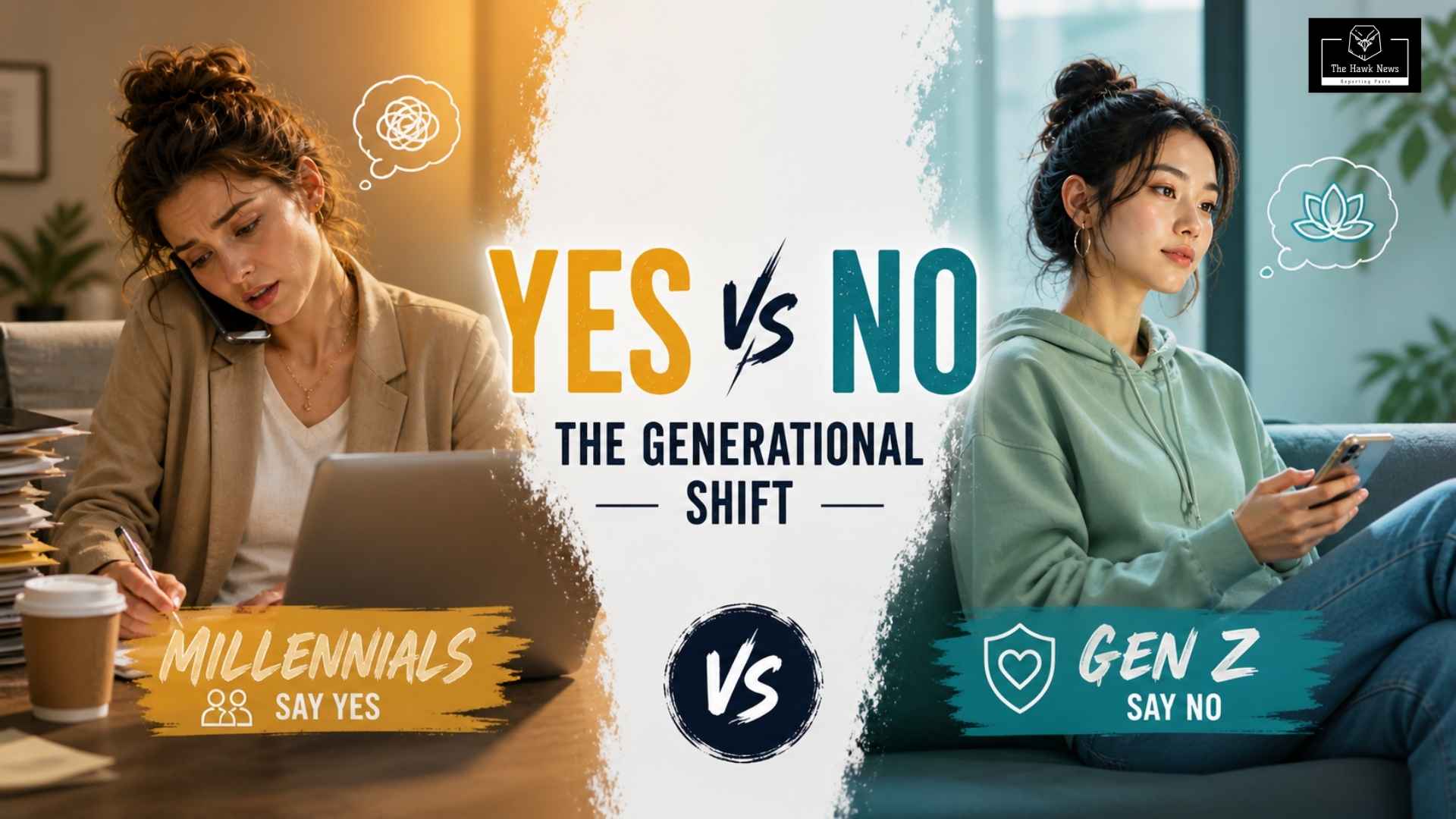
A Generational Shift: From Survival to Independence
While economic pressure explains part of the story, it does not explain all of it.
Among Gen Z and younger millennials, side hustles are not just about coping—they are about building.
This generation is:
- Turning hobbies into income
- Building personal brands online
- Exploring multiple income streams early in life
For them, the mindset is different:
“Why depend on one source of income when you can build many?”
What was once considered “extra income” is now seen as financial independence.
Popular Side Hustles in 2026
The range of side hustles reflects both necessity and innovation:
- Freelancing (writing, design, coding)
- Content creation (YouTube, Instagram, Shorts)
- E-commerce (reselling, dropshipping)
- Online tutoring and digital courses
- Gig work (delivery, ride-sharing)
Each of these represents a broader shift—the rise of a multi-income generation.
Is It Sustainable? The Other Side of the Story
Despite its advantages, the side hustle culture has its downsides:
- Burnout from managing multiple roles
- Inconsistent income streams
- Pressure to constantly perform
- Lack of long-term security in gig work
For some, what begins as freedom can quickly turn into fatigue.
Economic Signal or Cultural Shift?
The side hustle boom sits at the intersection of two powerful forces:
- Economic pressure pushing people to earn more
- Cultural ambition driving people to build more
This dual reality defines the current moment.
For some, side hustles are about survival.
For others, they are about freedom.
What This Means for the Future
As this trend continues:
- Work will become increasingly decentralised
- Individuals will rely less on single employers
- The idea of a “career” may evolve into a portfolio of incomes
The workplace is no longer confined to offices—it exists wherever opportunity can be created.
The Bottom Line
Side hustles are no longer on the margins—they are moving to the centre of modern life.
They reflect not just changing economics, but changing aspirations.
Because in 2026, people are not just asking:
“How do I earn more?”
They are asking:
“How do I take control of my income—and my future?”