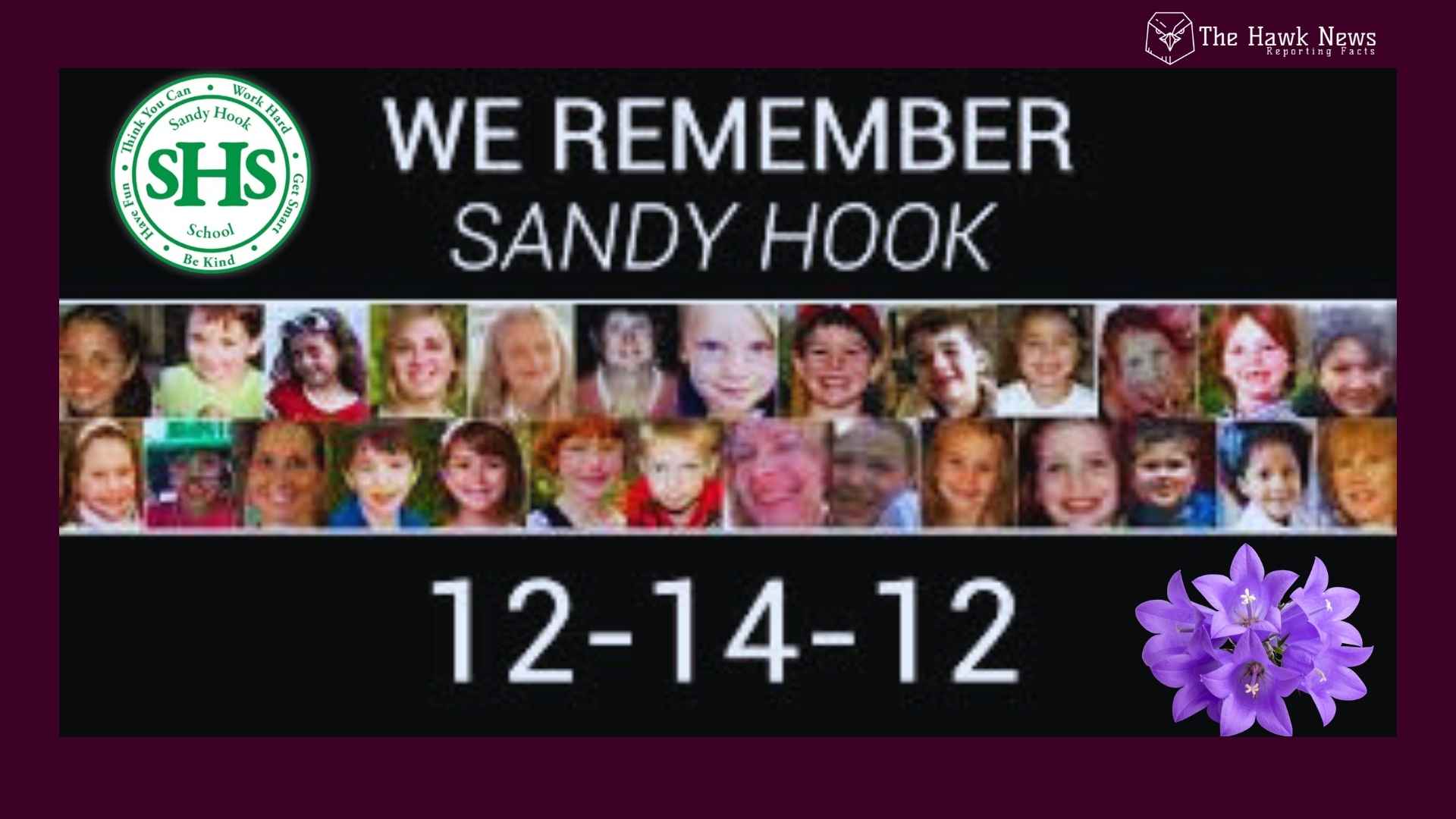
On the morning of December 14, 2012, a quiet elementary school in Newtown, Connecticut, became the site of one of the deadliest school shootings in U.S. history.
By the time the violence ended, 26 people were dead—20 of them children aged six and seven, along with six adult staff members.
Sandy Hook Elementary School was not a place of conflict or controversy. It was a place of crayons, reading corners, and winter art projects. That contrast—the innocence of the setting against the brutality of the act—cemented Sandy Hook into global memory.
More than a decade later, the names of the victims remain sacred. The questions raised by that day remain unresolved.
What Happened: The Verified Facts
- The shooting occurred on December 14, 2012, shortly after 9:30 a.m.
- The gunman entered Sandy Hook Elementary School and carried out the attack in multiple classrooms.
- Twenty children and six educators were killed.
- The shooter died by suicide at the scene.
- The firearms used were legally purchased by the shooter’s mother, who was also killed earlier that day at a separate location.
Law enforcement responded within minutes. Parents waited in fear. A small town, and then a nation, watched in disbelief.
The Immediate Aftermath
The response was immediate and global. Vigils were held across the United States and around the world. Political leaders, religious figures, educators, and citizens expressed grief and shock.
But alongside mourning came a difficult reality: Sandy Hook was not an isolated incident. It joined a growing list of mass shootings that had already begun reshaping public consciousness around violence in public spaces.
For many Americans, this was the moment when school shootings stopped feeling distant—and began to feel personal.
What Changed in Law—and What Did Not
In the months following Sandy Hook, Connecticut enacted some of the strictest gun laws in the country:
- Expanded background checks to include private sales
- Banned high-capacity magazines
- Strengthened assault weapon restrictions
- Improved firearm registration requirements
At the federal level, however, proposed legislation stalled. Despite renewed debate and public pressure, comprehensive national gun reform did not pass in the immediate aftermath.
This contrast—state-level action versus federal inertia—became a defining feature of the Sandy Hook legacy.
School Safety Measures That Followed
In the years after the shooting, many school districts across the U.S. implemented changes, including:
- Secured entrances and controlled access points
- Emergency response drills
- Increased presence of school resource officers
- Surveillance and communication systems
These measures aimed to reduce vulnerability, though experts continue to debate their effectiveness and psychological impact on children.
What remains clear is that schools were forced to adapt to a threat they were never meant to confront.
Understanding the Causes: Multiple Vantage Points
Rather than a single explanation, Sandy Hook exposed a convergence of factors—each demanding attention.
1. Access to Lethal Weapons
The firearms used were legally obtained, raising questions about access, storage, and responsibility—especially in households with vulnerable individuals.
2. Mental Health Gaps
The shooter had documented behavioral and developmental challenges. Investigations later pointed to systemic failures in early intervention, care continuity, and support structures.
3. Cultural Desensitization to Violence
Repeated exposure to violent imagery—through media, entertainment, and online spaces—has raised concerns among researchers about normalization and imitation.
4. Isolation and Alienation
Experts have noted patterns of social withdrawal and isolation in perpetrators of mass violence, highlighting the importance of community awareness and engagement.
No single factor explains the tragedy. Together, they form a complex and uncomfortable picture.
Why Sandy Hook Still Matters to This Generation
For Gen Z and Gen Alpha, Sandy Hook is not history—it is background reality. Many grew up practicing lockdown drills. Some learned early that classrooms are not always safe.
This generation has inherited the psychological weight of repeated violence—and with it, a deep skepticism toward inaction.
Yet Sandy Hook also gave rise to voices that refused to forget. Families of victims have continued advocacy efforts focused on violence prevention, community safety, and remembrance—without letting the victims’ names become political abstractions.
A Moment of Collective Reckoning
Sandy Hook did not end gun violence. It did not end mass shootings. But it ended denial.
It forced a reckoning with questions society had postponed:
- How do we protect children in spaces meant for learning?
- How do we identify risk before it turns catastrophic?
- How do we talk about violence without becoming numb to it?
These are not questions with easy answers. But they are questions that refuse to disappear.
In Remembrance
At its core, Sandy Hook is not a policy debate. It is a human loss.
Twenty children who never reached adulthood. Six educators who tried to protect them. Families forever altered. A community marked by absence.
Remembering Sandy Hook means more than marking a date. It means resisting indifference. It means refusing to treat violence as routine. It means holding space for grief while demanding seriousness in how society confronts harm.
Some events change laws.
Some change politics.
Sandy Hook changed the moral temperature of a nation.
And the names of those lost deserve to be carried—not as statistics, but as lives that mattered.