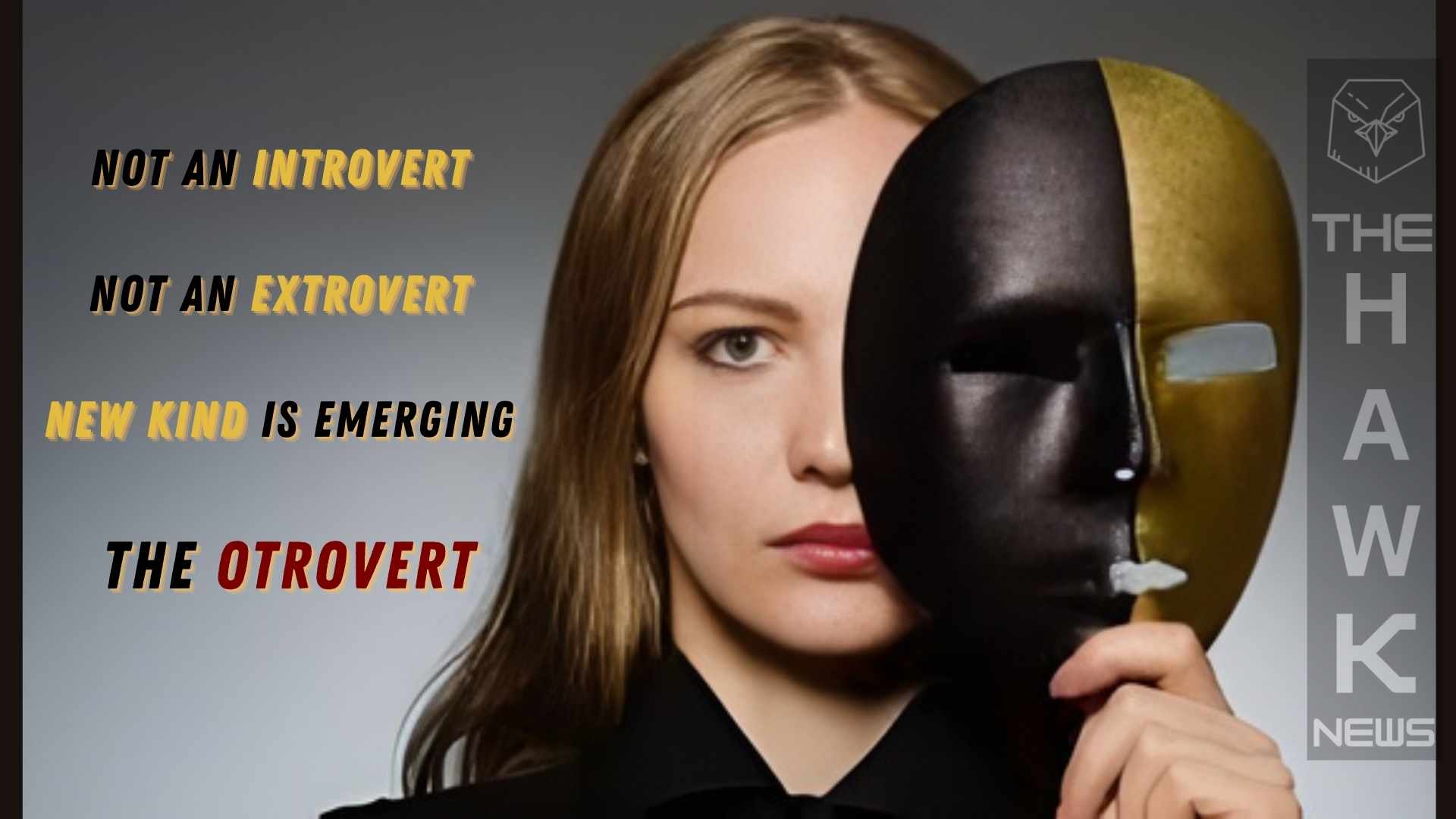
For nearly a century, the world has tried to divide humans into just two boxes: introverts and extroverts.
The quiet ones versus the loud ones. The thinkers versus the doers. The internal processors versus the external expressers.
But something happened in the 21st century — especially in the age of the internet, flexible identity, and hyper-connected living. A third, previously unnamed category began to emerge.
Enter the Otrovert — a person who doesn’t fit either side of the spectrum, because they belong to the bendable middle.
They are not introverts who are drained by interaction, nor extroverts who are ignited by it. They are contextual, adaptive, shapeshifting, and environment-responsive.
They are, essentially, the personality version of fluid intelligence.
As one Gen-Z creator put it on TikTok,
“I’m not an introvert or extrovert. I’m an outrovert — I become what the moment needs.”
This article explores who Otroverts really are, how psychology explains them, and why this emerging identity is becoming one of the defining personality types of our generation.
What Exactly Is an Otrovert?
An Otrovert is someone who:
✔ Doesn’t identify with introversion or extroversion
✔ Adapts naturally to social context
✔ Can be quiet or loud depending on the environment
✔ Chooses energy expenditure rather than being controlled by it
✔ Operates on internal balance, not external labels
In short, Otroverts follow one rule:
“I am myself in many versions, not just one.”
This is different from ambiverts. Ambiverts balance both sides. Otroverts bend the sides.
The Psychology Behind Otroversion (Scientific Lens)
Traditional personality psychology — particularly Carl Jung’s introversion–extroversion theory — does not account for personality variability. But modern psychological models do.
1. Trait Elasticity Theory
Recent studies on personality flexibility suggest that people change behavioral displays based on:
- environment
- social demands
- identity needs
- emotional bandwidth
This is called Trait Elasticity — the ability to stretch personality traits without breaking authenticity.
Otroverts are the poster children of elasticity.
2. Situational Personality Expression
Research by Adam Grant (Wharton) shows people often perform tasks better when they adopt temporary behaviors outside their baseline personality trait.
This means some people don’t have rigid personality types at all — they have situational modes.
Otroverts exhibit “Situational Extroversion” and “Situational Introversion” depending on what’s helpful.
3. Identity Fluidity (Gen-Z’s Trait)
Modern generations no longer believe in one fixed identity.
Identity has become:
- contextual
- experimental
- layered
- dynamic
The Otrovert fits perfectly into this era of fluid self-definition.
Signs You’re an Otrovert
Here are the most common characteristics:
1. You can switch social modes like a dimmer, not a switch
Not ON/OFF.
Just adjustable.
2. People misread you
Introverts think you're extroverted.
Extroverts think you're introverted.
Both are right and wrong at the same time.
3. You recharge in multiple ways
Sometimes with solitude.
Sometimes with people.
Mostly with the right people.
4. You are emotionally perceptive
Otroverts read the room fast.
Adapting comes from instinct, not effort.
5. You do not fear social judgment
You simply change social “forms” depending on what’s needed.
Cultural Examples of Otroverts
✦ Billie Eilish
Quiet, introspective artist.
Effortlessly expressive on stage.
Not introvert or extrovert — just Billie.
✦ Keanu Reeves
Soft-spoken in interviews.
Charismatic and commanding in public roles.
Highly adaptive.
✦ Zendaya
Socially warm, empathetic, but selective about her energy.
Otra-style adaptability personified.
✦ Many content creators
Influencers who seem outgoing online but are deeply reflective offline.
Neither introverted nor extroverted — simply fluid.
Why Otroversion Became a Thing Now
Because today’s world demands shape-shifting humans.
1. Digital life creates multiple selves
Online you can be bold.
Offline you can be quiet.
Both can be real and authentic.
2. Workplaces reward adaptive personalities
Leaders need to network and reflect.
Creatives need solitude and collaboration.
3. Mental health awareness encourages nuanced identities
People reject rigid labels that feel limiting or inaccurate.
4. Gen Z’s belief: “I contain multitudes.”
A generation raised on identities that shift with context, time, and healing.
Why Otrovert's Thrive in Modern Relationships
Otroverts make exceptionally strong partners, friends, and leaders because:
- They adapt communication styles
- They understand different emotional needs
- They are neither clingy nor distant
- They give space and take space intuitively
Otroversion is a form of emotional intelligence.
“Flexibility is the new confidence.”
The World Needs Otroverts — Here’s Why
Because societies benefit from:
- Adaptive thinkers
- Emotionally perceptive communicators
- Socially fluid mediators
- Identity-flexible innovators
Otroverts bridge gaps in social groups.
They unify extremes.
They understand introverts and extroverts equally.
They are, in a way, the translators of human energy dynamics.
Final Thoughts: Otroversion Is Not a Trend — It’s a Mirror
The rise of Otroverts says something deeper about our era:
People are finally choosing authenticity over labels.
Gen Z especially isn't interested in personality boxes; they want fluidity, choice, adaptation, and self-designed identity.
Otroversion is neither a personality type nor a category—
it’s a permission slip.A reminder that you can be many things and still be wholly yourself.
CLOSING QUOTE
“Otrovert's are the people who light up the room and then quietly disappear from it — not because they’re mysterious, but because they need to breathe.”