A marginal hike on paper—but what does it mean on the ground?
The Announcement
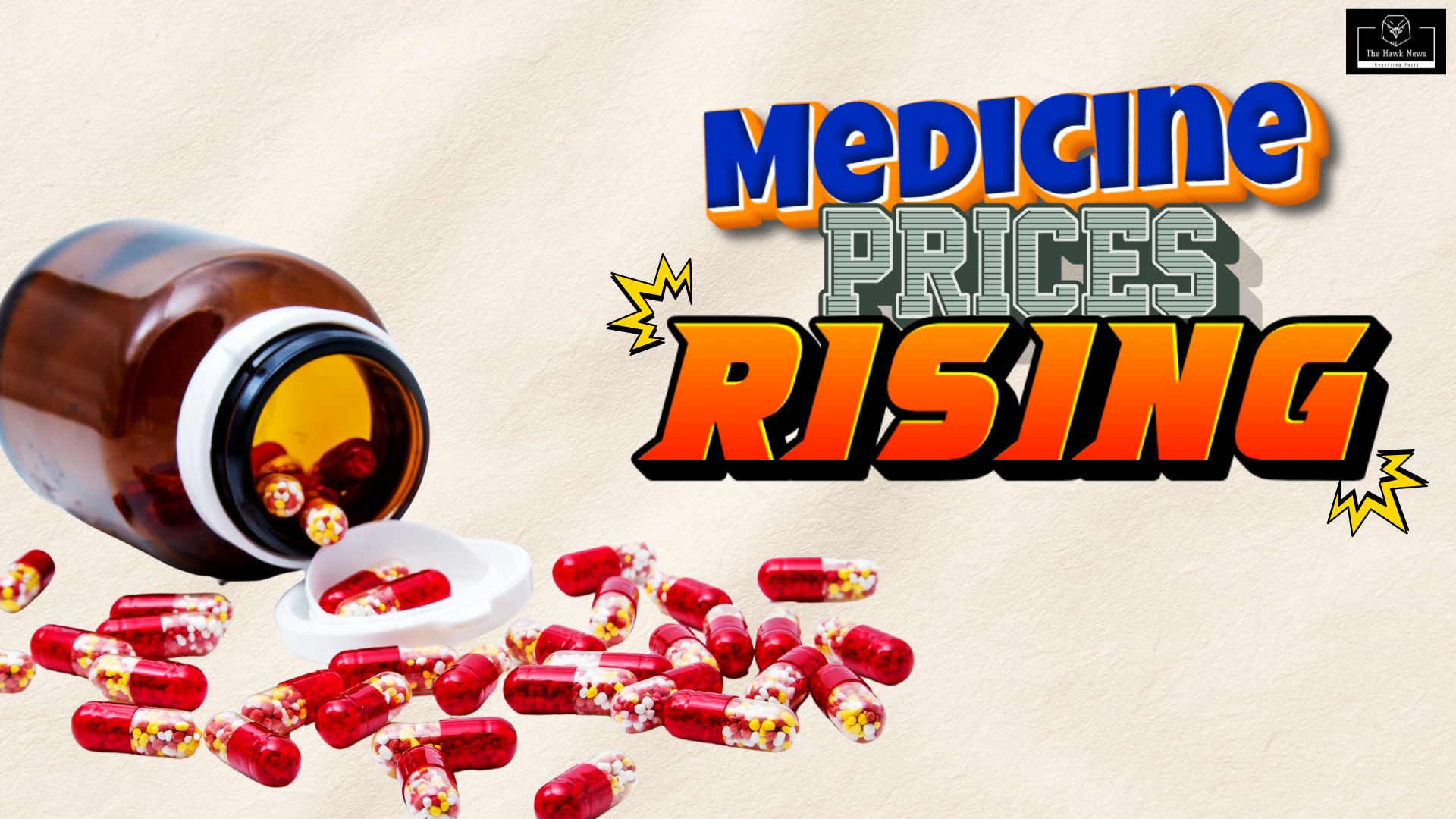
India is set to witness a rise in the prices of essential medicines starting April 1, as confirmed by the National Pharmaceutical Pricing Authority (NPPA).
According to the notification, the prices of essential medicines listed under the National List of Essential Medicines (NLEM) will be increased by approximately 0.65%.
This includes commonly used drugs such as:
- Paracetamol
- Antibiotics
- Other critical everyday medicines
In total, 900 to 1000 medicines fall under this revision.
What’s Driving the Price Hike?
Officials cite a familiar set of reasons:
- Rising cost of raw materials
- Increase in packaging expenses
- Higher transportation costs
A key contributing factor is also the global supply chain disruption, influenced by ongoing geopolitical tensions, including conflicts in the Middle East.
The NPPA has stated that, compared to the rise in input costs, the current increase is “relatively minimal.”
How Are These Prices Decided?
The price revision is not arbitrary.
Each year, the government allows adjustments based on the Wholesale Price Index (WPI)—a measure of inflation at the wholesale level.
For 2026, the permitted increase stands at 0.65%, which is significantly lower compared to previous years.
A Small Increase—But a Wider Impact?
On paper, a 0.65% hike may appear negligible.
But on the ground, the story is more layered.
For:
- Low-income households
- Patients with chronic illnesses
- Daily wage earners
even a small increase in medicine prices can accumulate over time, especially when combined with rising costs of living.
Ground Reality: Voices from the Field
Pharmacists and consumers indicate a mixed response.
- Some believe the hike is manageable due to its marginal nature
- Others point out that frequent small increases across sectors are adding financial pressure
A pharmacist noted:
“Individually, the increase is small. But for patients who depend on daily medication, even minor changes matter.”
Policy vs Public Perception
The government maintains that:
- The hike is controlled
- It aligns with inflation
- It ensures sustainability for manufacturers
However, public perception often differs—especially when healthcare costs are involved.
The challenge lies in balancing:
- Affordability for patients
- Viability for pharmaceutical companies
The Larger Context
This development comes at a time when:
- Healthcare awareness is increasing
- Chronic illnesses are on the rise
- Households are already dealing with inflation
Even a modest change in medicine pricing becomes part of a larger economic narrative.
The Bottom Line
The 0.65% increase in essential medicine prices may be statistically small—but its real impact depends on who you ask.
For policymakers, it is a controlled adjustment.
For many citizens, it is another addition to an already growing list of expenses.
As India navigates economic and global pressures, one question remains:
How affordable will essential healthcare remain in the years ahead?