Introduction: The Silence After the Storm
There was a time when India’s startup ecosystem moved at the speed of ambition. Unicorns were minted overnight, valuations soared, and venture capital flowed like an endless river.
But in 2026, that river has slowed to a trickle.
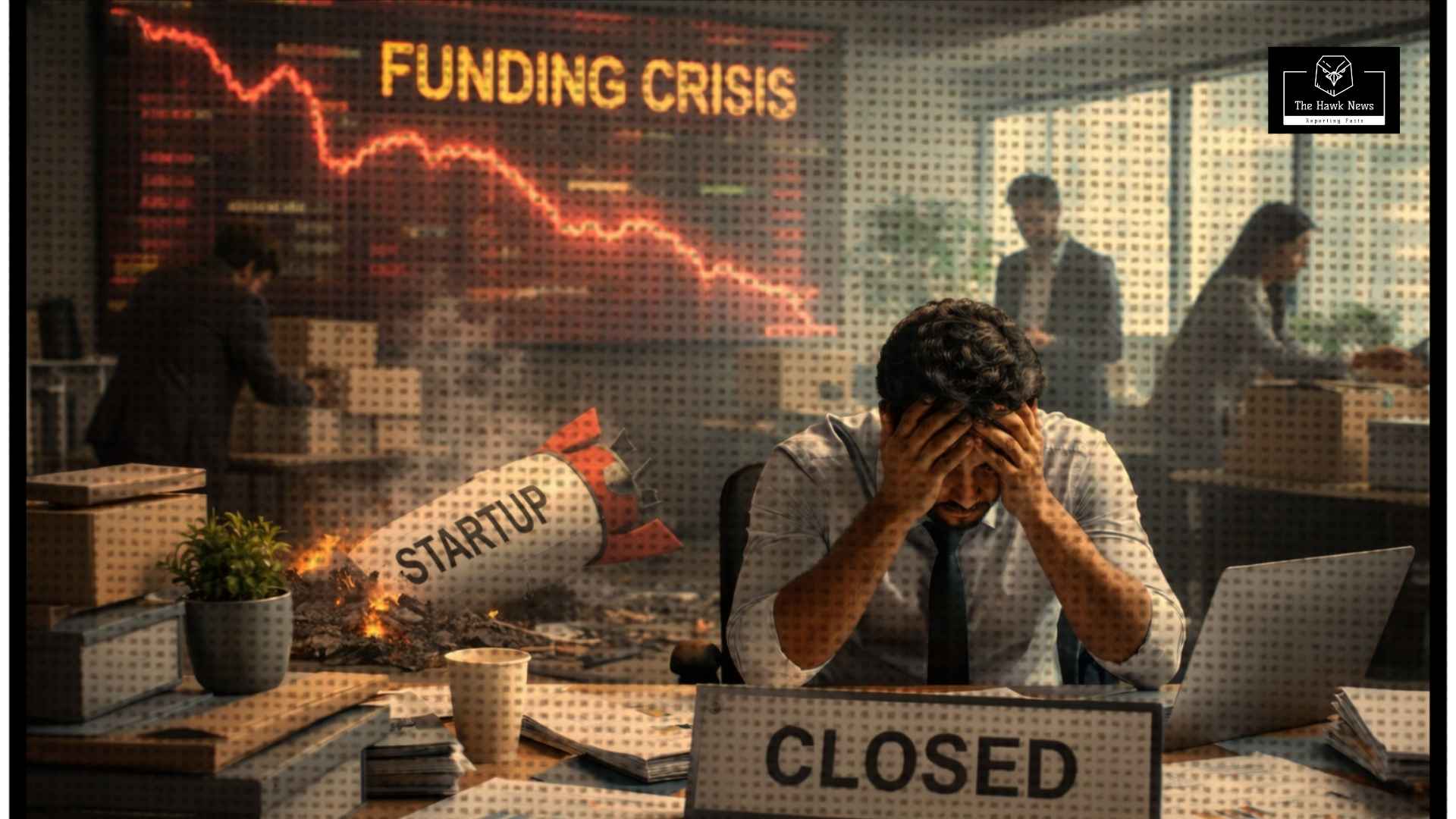
Funding rounds are shrinking. Layoffs are returning. Founders are no longer chasing scale, but survival.
What changed?
To understand this shift, we step into a conversation between three voices shaping this ecosystem:
A founder, an investor, and an economist.
The Founder Speaks: “Growth Is No Longer Enough”
Founder (Bengaluru-based SaaS startup):
“In 2021, investors asked how fast we could grow.
In 2026, they ask when we’ll break even.”
This shift reflects a deeper correction.
Startups that once burned capital to capture market share are now being forced to justify every rupee spent.
Marketing budgets are slashed. Hiring has slowed. Expansion plans are paused.
“We’re not building for valuation anymore - we’re building for survival.”
The Investor’s View: “Easy Money Is Gone”
Venture Capitalist (India-focused fund):
“The era of cheap capital is over. Globally, interest rates went up, and that changed everything.”
The ripple effect begins outside India.
When central banks like the US Federal Reserve raised interest rates to combat inflation, global liquidity tightened. Money that once flowed into high-risk startup bets moved toward safer assets.
“Why take a risk on a loss-making startup when bonds offer stable returns?”
This shift has led to:
- Smaller funding rounds
- Lower valuations (down rounds)
- Increased due diligence
- Preference for profitable or near-profitable startups
“We’re not anti-start-up; we’re anti-unsustainable business models.”
The Economist Explains: “This Is a Structural Correction”
Economist (Policy Analyst):
“What you’re seeing is not a collapse it’s a correction.”
India’s startup boom between 2018–2022 was fueled by:
- Global liquidity
- Low interest rates
- Pandemic-driven digital acceleration
But corrections are natural in any economic cycle.
“Capital misallocation during boom periods is always followed by discipline.”
The economist points to three major structural shifts:
1. From Valuation to Profitability
Startups are now judged on:
- Unit economics
- Cash flow sustainability
- Path to profitability
2. Global Slowdown Impact
Economic uncertainties in markets like the United States and Europe have reduced cross-border investments.
3. Investor Risk Recalibration
Funds are conserving capital for existing portfolio companies rather than betting on new ones.
Ground Reality: The Numbers Tell the Story
While exact figures fluctuate, trends are clear:
- Startup funding in India has dropped significantly compared to peak years (2021–2022)
- Late-stage funding has been hit harder than early-stage
- Several startups have shut down due to lack of runway
Even well-funded startups are restructuring to extend survival timelines.
The Human Cost: Layoffs and Lost Momentum
Behind the numbers are real consequences:
- Employees facing job uncertainty
- Founders shutting down years of work
- Innovation slowing in high-risk sectors
“The ecosystem isn’t just cooling—it’s recalibrating its expectations.”
A Shift in Strategy: The New Startup Playbook
Despite the slowdown, this phase is forcing a healthier ecosystem.
What’s changing:
- Profitability over hypergrowth
- Lean teams over aggressive hiring
- Sustainable scaling over rapid expansion
“The startups that survive this phase will be fundamentally stronger.”
Conclusion: End of the Hype, Beginning of Discipline
India’s start-up story is not ending it’s evolving.
The funding winter of 2026 is less about scarcity and more about scrutiny.
As the economist puts it:
“Easy money built the ecosystem. Discipline will define its future.”
And perhaps, for the first time in years, the question is no longer:
“How fast can you grow?”
But!!!
“Can you survive long enough to matter?”