The Question That Shapes Every Election
As elections approach, campaigns grow louder.
Promises multiply.
Criticism intensifies.
Narratives collide.
But beneath all the noise lies a quieter, more important question:
Are voters choosing who they want… or simply rejecting who they don’t?
The Psychology of Voting
In an ideal democracy, voting is aspirational.
People:
- Evaluate policies
- Compare leadership
- Choose a vision for the future
But in reality, voting is often influenced by something more immediate:
Dissatisfaction
Anger at:
- Rising costs
- Unmet promises
- Governance gaps
can push voters toward a decision that is less about support… and more about opposition.
The Rise of “Negative Voting”
Political analysts often refer to this as negative voting — a pattern where:
The primary motivation is to remove someone, not elect someone
This shifts the nature of elections:
- From “Who is best?”
- To “Who is less worse?”
And that distinction matters.
When Rejection Becomes the Driving Force
Negative voting is not new.
But in recent years, it appears to be gaining prominence.
Factors contributing to this include:
- Increasing political polarization
- Aggressive campaign rhetoric
- Continuous media cycles focusing on conflict
- Social media amplifying criticism over nuance
In such an environment, voters are constantly exposed to:
- What is going wrong
- Who is to blame
But not always:
- What is working
- Who offers a better alternative
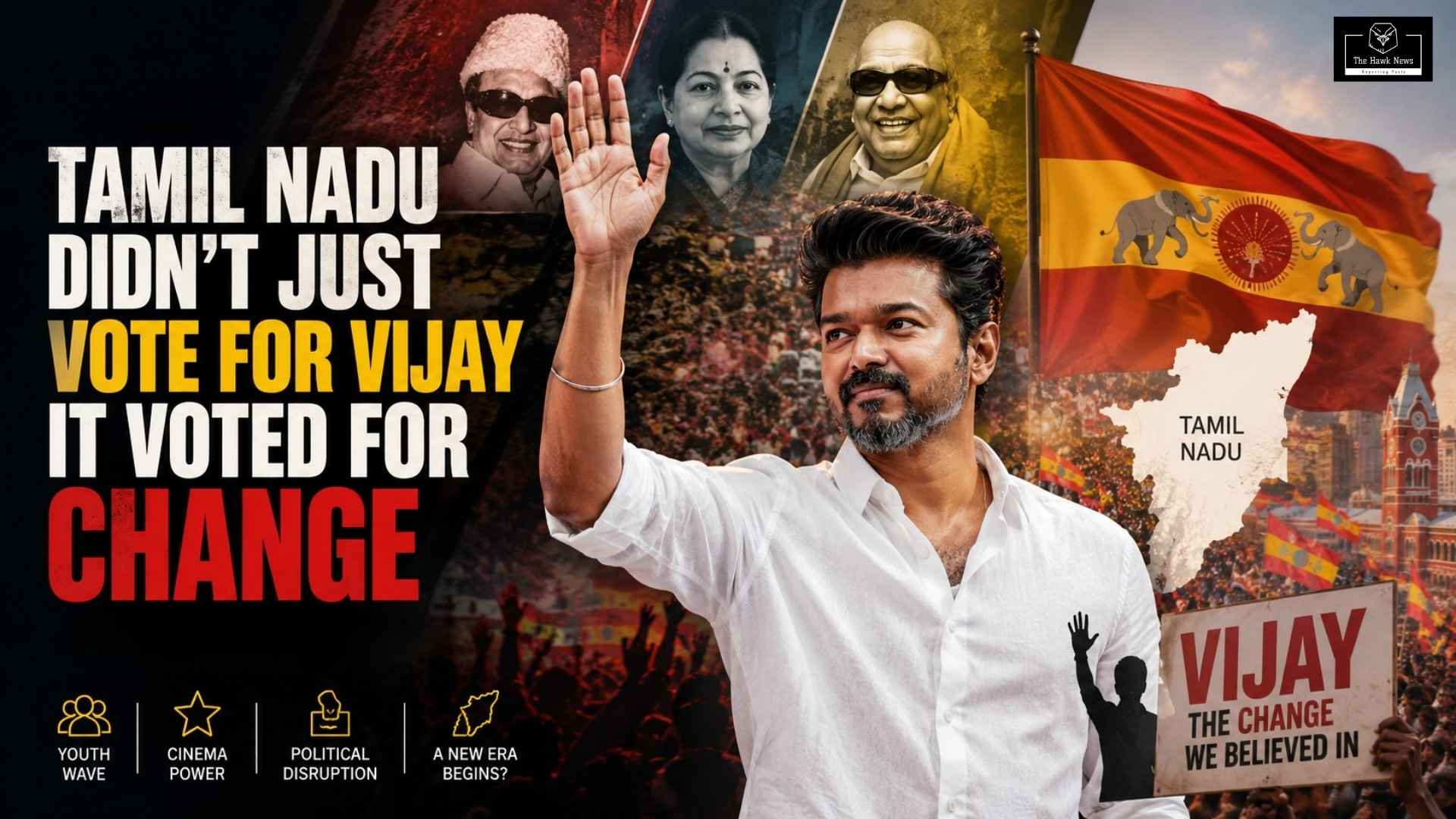
The Tamil Nadu Context
Tamil Nadu has historically witnessed:
- Strong party loyalties
- Deep-rooted ideological alignments
- Personality-driven leadership
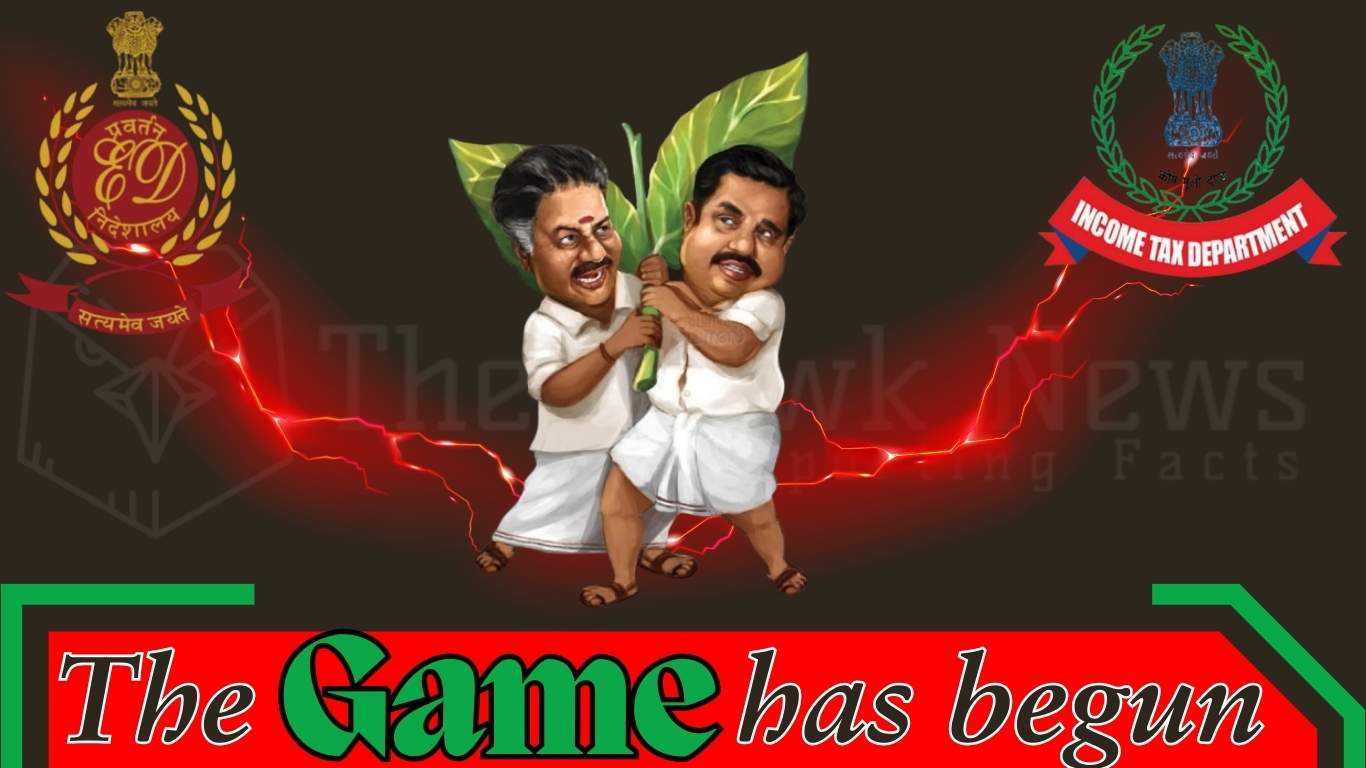
Major players like the DMK and AIADMK have long commanded committed voter bases.
However, shifting dynamics — including the rise of newer narratives and the expansion of parties like the BJP — are creating a more competitive space.
In this evolving landscape:
Voter choice may increasingly be shaped by comparison — not conviction alone
The Impact on Campaign Strategies
Political parties are aware of this shift.
As a result, campaigns often:
- Focus heavily on criticizing opponents
- Highlight failures more than future plans
- Frame elections as a choice between risks, not visions
This strategy can be effective — but it comes with consequences.
The Risk for Democracy
When voting becomes primarily negative:
- Leadership accountability may weaken
- Long-term policy discussions take a back seat
- Elections become reaction-driven rather than vision-driven
Over time, this can create a cycle where:
Voters choose alternatives… without fully believing in them
The Voter’s Dilemma
For the average voter, the decision is rarely simple.
It is shaped by:
- Personal experience
- Economic conditions
- Social identity
- Trust (or lack of it) in leadership
In many cases, the question becomes:
Is it safer to continue… or to change?
Not necessarily:
Who is truly the best?
The Bigger Question
This election, like many before it, will be decided by millions of such individual choices.
Some will vote:
- For stability
- For change
- For ideology
And some — perhaps many — will vote:
Against disappointment
A Thought for the Voter
Democracy offers a powerful opportunity.
Not just to:
- Remove
But to:
- Choose
And that distinction defines the quality of governance that follows.
The Final Word
A vote cast in anger can change a government.
But a vote cast with clarity can shape a future.
As the next election approaches, the question is not just about parties or leaders.
It is about intent.
Are we voting for what we believe in…
or simply against what we’ve lost faith in?