From stolen identities to AI scams the new face of crime is invisible
There was a time when crime had a location.
A street. A place. A moment you could point to.
Today, it doesn’t need one.
It can happen while you’re sitting at home, scrolling your phone, or checking your email.
And often, you won’t even realize it until it’s too late.
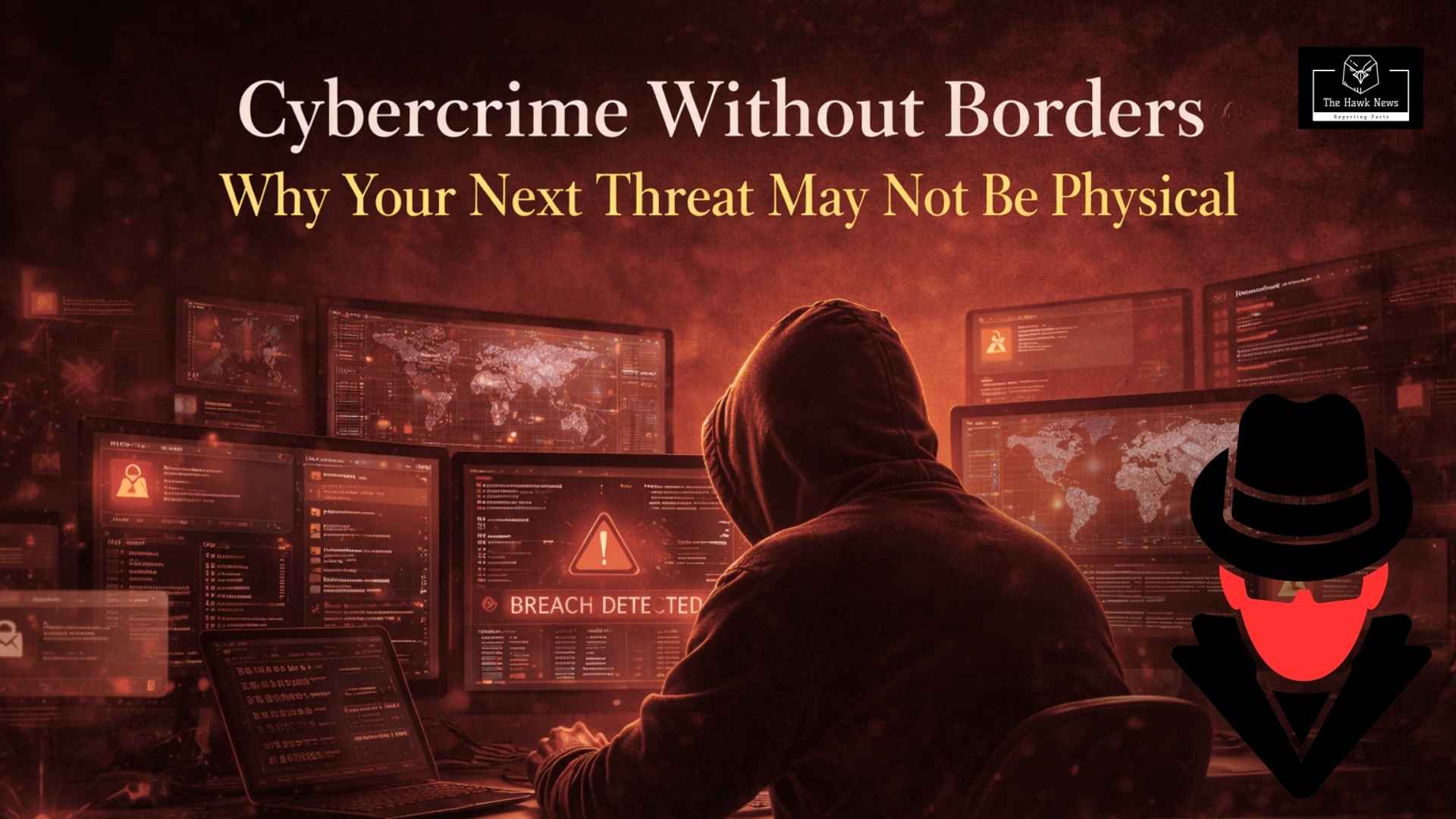
A Crime Scene Without Borders
Cybercrime doesn’t knock. It connects.
A scammer could be sitting thousands of miles away, yet reach you in seconds.
- A fake message that looks real
- A call that sounds convincing
- A link that seems harmless
What used to require physical presence now only needs access.
And that changes everything.
The Rise of the Invisible Criminal
Today’s cybercriminals don’t always hide in the shadows they hide in plain sight.
Some operate through networks often associated with the dark web, where anonymity makes tracking difficult.
Others use everyday platforms emails, social media, messaging apps.
Their tools are simple. Their reach is global.
Identity Theft: When You Become the Target
One of the most common forms of cybercrime today is identity theft.
Your data name, number, banking details becomes valuable.
Once accessed, it can be used to:
- Open accounts
- Make transactions
- Impersonate you
According to the Federal Trade Commission, identity theft cases have surged globally in recent years, reflecting how easily personal data can be misused.
“Consumers are increasingly targeted through digital channels where verification is weaker,” the agency notes.
AI Scams: When Technology Turns Against Trust
Cybercrime is evolving fast.
With the rise of AI, scams are becoming more convincing.
- Voice cloning that mimics familiar people
- Deepfake videos that look real
- Messages tailored specifically to you
This is not just fraud it’s manipulation.
And it makes one thing harder than ever:
Knowing what to trust.
Why This Matters More Than Ever
Cybercrime doesn’t just affect systems it affects people.
- Financial loss
- Emotional stress
- Loss of trust in digital spaces
And because it’s invisible, it often goes unnoticed until damage is done.
Staying Safe in a Borderless World
The goal is not fear it’s awareness.
Simple steps that make a difference:
- Avoid clicking unknown links
- Verify messages, even if they seem familiar
- Use strong, unique passwords
- Enable two-factor authentication
- Be cautious with personal information online
These aren’t complex but they are powerful.
Awareness Is the First Line of Defense
Cybercrime may not have borders.
But protection starts with small, conscious actions.
Because in a world where threats are invisible,
awareness becomes your strongest security.
The Real Question
Crime is no longer just something you see.
Sometimes, it’s something you don’t.
Are we prepared for threats that don’t have a face?