Why one of the world’s calmest nations emerged from one of history’s stormiest years.
When people think of Finland today, they picture quiet forests, world-leading education, and a society defined by stability and equality.
But the story of how Finland became a nation is anything but quiet. It is a tale carved out of revolutions, power vacuums, ideological clashes, and a civil war that nearly tore a newborn country to pieces.
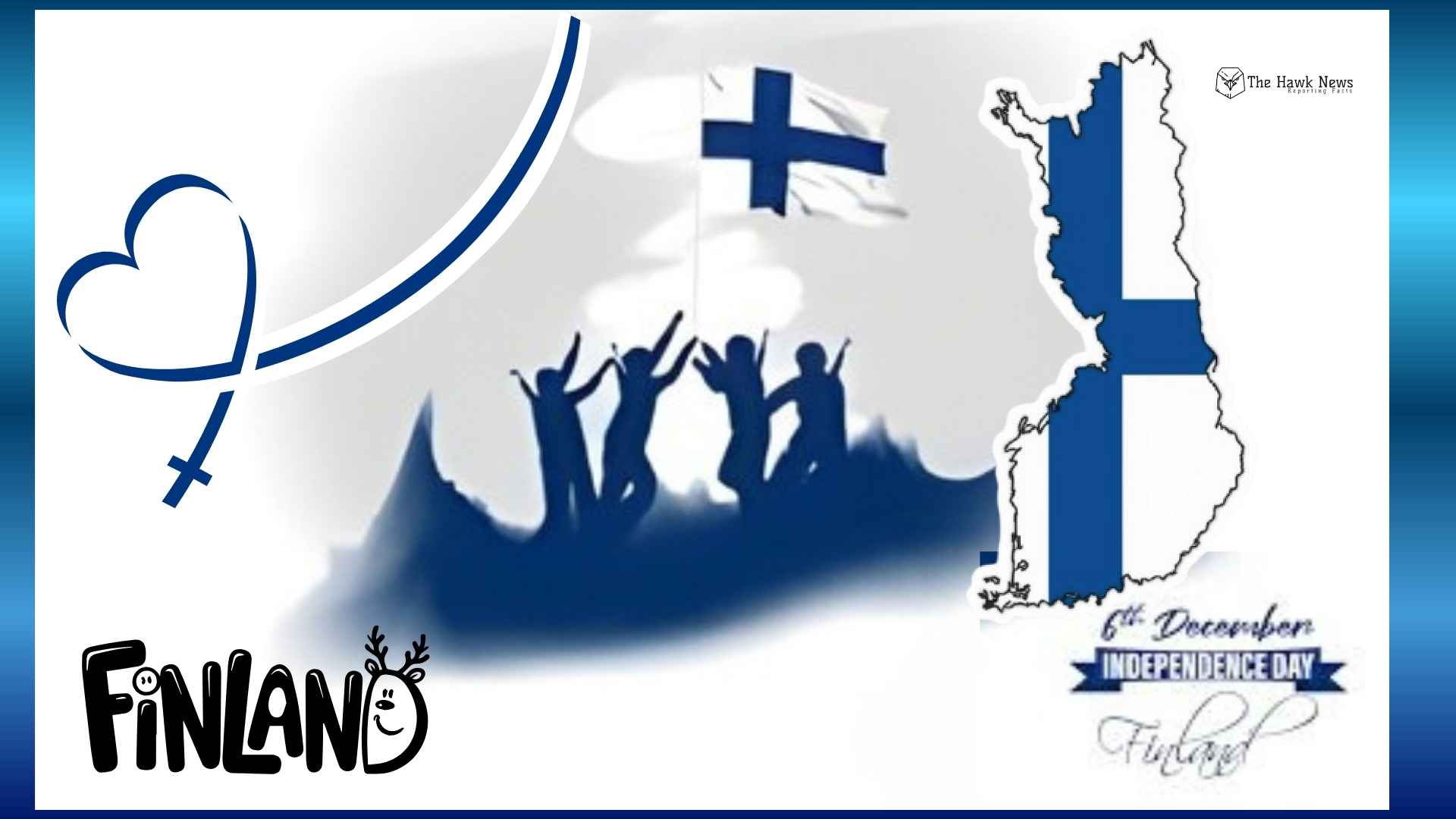
On December 6, 1917, Finland declared independence from Russia — but the road to that declaration, and the painful months that followed, reveal how nations aren’t born in calm. They are forged in fire.
This is the real story behind Finland’s independence — not the soft, postcard version, but the fierce, complex, deeply human one.
A Century of Pressure: How Finland Boiled Under Empire
For centuries, Finland was not its own master. Before Russian rule, it was part of the Swedish kingdom until 1809, when Sweden ceded Finland to the Russian Empire. But Russia didn’t fully absorb it. Instead, it became the Grand Duchy of Finland — technically autonomous, but firmly under the Tsar’s crown.
At first, Finland enjoyed considerable freedoms: its own currency, laws, and local governance. But things changed in the late 19th century.
Russification Begins
Russia began trying to erase Finland’s autonomy:
Russian became the administrative language
Finnish institutions faced pressure
Political dissent was punished
Nationalist leaders were targeted
These attempts had the opposite effect: they accelerated Finnish identity. What was meant to silence the Finns ignited them.
Writers, teachers, and activists sparked a cultural awakening. A shared language, a shared folklore, and a shared frustration united the population. Finland began imagining itself not as a region, but a nation.
1917: The Year the Empire Fell Apart
The turning point arrived not from within Finland but from within Russia.
The year 1917 was the most explosive in Russian history — two revolutions in one year, each shaking the empire to its core.
The February Revolution (March 1917)
Tsar Nicholas II was forced to abdicate
The centuries-old monarchy collapsed
Russia’s Provisional Government was too weak to maintain control
The personal union between Russia and Finland ended
Suddenly, Finland no longer had a Tsar ruling over it. A huge question hung in the air:
If the Tsar is gone, who exactly are we under now?
Finland’s Parliament, the Eduskunta, moved quickly. It passed the Power Act, claiming full authority over domestic affairs. But the Russian Provisional Government rejected it, dissolving the Finnish Parliament and forcing new elections.
Political tension in Finland was rising. Workers were mobilizing. Farmers and conservatives were mobilizing. The ground was cracking.
Then came the next earthquake.
The October Revolution (November 1917)
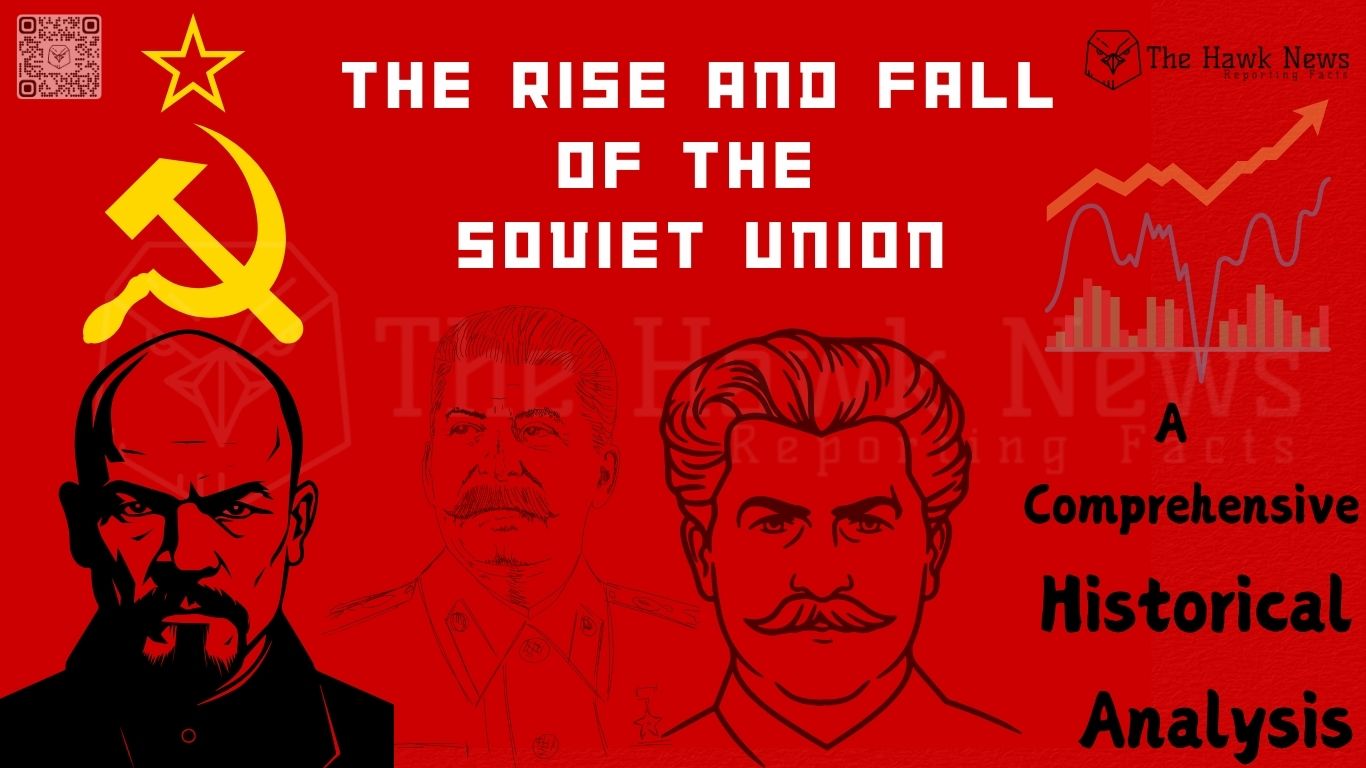
The Bolsheviks — Lenin and his revolutionaries — overthrew the Provisional Government. Russia was collapsing, and Finland saw the moment.
Prime Minister Pehr Evind Svinhufvud, a staunch independence advocate, led the movement.
On December 6, 1917, the Finnish Parliament declared:
Finland is now a sovereign state.
This is the date Finland celebrates today.
But the celebration was short-lived.
Lenin’s Recognition — and Why It Came So Quickly
On December 31, 1917, Vladimir Lenin officially recognized Finland’s independence.
Why so fast? Why so willingly?
Historians point to three reasons:
Lenin believed in the right of nations to self-determination
At least in theory, he argued oppressed nations should break free.
Russia was drowning in crises
Civil war, famine, collapsing infrastructure — they had no capacity to hold Finland.
Strategic politics
Bolsheviks assumed an independent Finland might become socialist-friendly.
Whatever the motive, the result was clear: Finland had international legitimacy.
But freedom on paper did not mean unity on the ground.
1918: The War No One Could Avoid
The moment independence was declared, a deeper conflict rose to the surface. Finland was split along class lines:
The “Reds”
- Industrial workers
- Landless farmers
- Left-leaning political groups
- Supported — though sometimes indirectly — by Bolshevik Russia
The “Whites”
- Middle class
- Landowners
- Conservatives
- Backed by the German Empire
Finland was a fragile house with two families inside — and both believed they deserved the keys.
The Finnish Civil War (January–May 1918)
The war lasted only four months, but its brutality left permanent scars:
Roughly 36,000 people died
Executions and prison camps scarred the aftermath
Families were torn apart
Towns changed hands multiple times
Trauma lingered for decades
The Whites prevailed, led by General Carl Gustaf Mannerheim, who would later become one of Finland’s most respected national figures.
The war ended, but healing took a generation.
Finland Chooses Its Future
After the war, Finland faced a crossroads:
Should it invite a German prince to become king?
Should it remain aligned with Germany?
Or pursue true independence, neutral and democratic?
Germany’s defeat in World War I forced the answer.
Finland charted a new path.
1919: The First Constitution
Finland became a democratic republic, electing K. J. Ståhlberg as its first president. A nation that had been tossed between empires now stood on its own feet.
1920: Treaty of Tartu
Russia formally recognized Finland’s borders, cementing full sovereignty.
What began as a declaration became a functioning nation.
The Modern Vantage Point: Why This Story Matters Today
Here’s what makes Finland’s story powerful for our generation:
- Independence is rarely peaceful.
Behind every celebration date lies chaos, disagreement, and sacrifice.
- National identity is built over centuries, not overnight.
Finland’s sense of self grew through culture, language, stories, and shared struggle.
- A divided society can still rebuild.
Finland went from civil war in 1918 to global leadership in education, governance, innovation, and social cohesion.
- The world’s “calmest” nations often have the loudest histories.
Finland is proof that peace is built — not inherited.
Conclusion: The Forest Grows From Fire
Finland today is associated with:
- world-leading education
- social trust
- stability
- equality
- innovation
- calmness
But the roots of that calm lie in chaos.
The nation was born in a year when empires fell, ideologies clashed, food was scarce, and political futures were uncertain.
Independence was not a quiet walk into the future.
It was a storm — and Finland learned to stand upright in it.
That’s why December 6 matters, and why Finland’s story still resonates:
real freedom is not declared once — it is built, defended, and lived into existence.