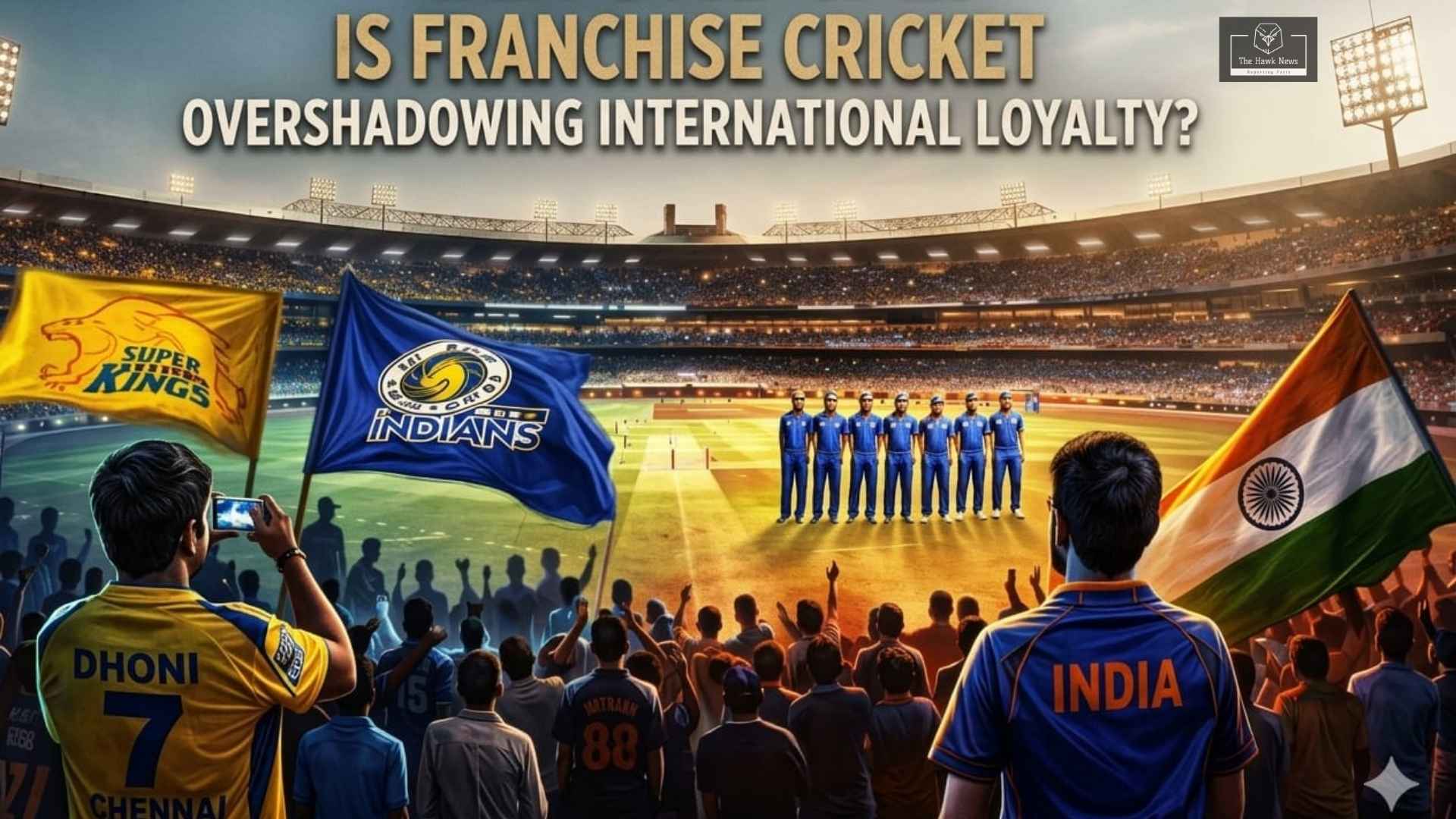
Every evening, as stadium lights blaze and jerseys flood timelines, one thing becomes clear—franchise cricket is no longer just a tournament. It is an ecosystem.
From the electric buzz of the Indian Premier League to the growing influence of leagues across Australia, England, and the Caribbean, the game is undergoing a structural shift.
The question is no longer whether franchise cricket is popular—it is whether it is quietly reshaping where loyalty lies.
The Rise of the Franchise Era
When the IPL began in 2008, it was seen as a bold experiment. Today, it is the financial and cultural heartbeat of modern cricket.
Shorter formats, global player pools, prime-time scheduling, and aggressive broadcasting deals have turned leagues into high-value entertainment products.
Players move across franchises, fans follow stars, and cricket is consumed in fast, high-impact bursts.
Franchise cricket didn’t just change how the game is played—it changed how it is followed.
The Calendar Conflict
One of the biggest shifts has come in the cricketing calendar.
International tours, once the backbone of the sport, now compete with franchise windows. Boards are increasingly restructuring schedules to accommodate leagues like the IPL.
For players, the equation is simple:
- Shorter tournaments
- Higher earnings
- Lower physical strain compared to long bilateral series
This has led to a noticeable trend—selective participation in international formats, particularly Tests and lesser-profile series.
Fan Loyalty: Nation vs Franchise
Traditionally, cricket loyalty was rooted in national identity. India vs Australia, Ashes battles, World Cups—these were emotional events.
Today, a different pattern is emerging.
A fan might support:
- Chennai Super Kings in April
- Mumbai Indians the next week
- And still cheer for India in global tournaments
This layered loyalty isn’t a replacement—it’s an addition. But over time, the intensity of franchise engagement is beginning to rival international passion, especially among younger audiences.
The jersey is changing more often—but the emotional investment is staying constant.
The Entertainment Factor
Franchise cricket thrives on entertainment.
- Faster formats (T20)
- Star-driven narratives
- Music, branding, and fan engagement
- Social media amplification
In contrast, international cricket—especially Tests—demands patience. It rewards nuance over spectacle.
This creates a generational divide:
- Younger viewers lean toward fast-paced leagues
- Traditionalists still value the depth of international formats
What the Numbers Suggest
While international tournaments like the ICC Cricket World Cup continue to draw massive global audiences, bilateral series often struggle to maintain the same viewership levels.
Meanwhile, franchise leagues consistently deliver:
- High broadcast ratings
- Strong sponsorship deals
- Packed stadiums
The commercial gravity is clearly shifting.
The Player’s Dilemma
For modern cricketers, career planning has become more complex than ever.
Balancing:
- National duty
- Franchise commitments
- Workload management
…is no longer optional—it’s strategic.
Some players are now prioritizing leagues over certain international formats, particularly when contracts and earnings are significantly higher in franchise cricket.
Cricket is no longer just a sport—it’s a career economy.
Is International Cricket Losing Ground?
Not entirely—but it is evolving.
International cricket still holds unmatched value in:
- World Cups
- Historic rivalries
- Test championships
However, the frequency and importance of bilateral series are being questioned.
The risk is not disappearance—but dilution.
The Road Ahead
Cricket is heading toward a hybrid future.
- Franchise leagues will continue to expand globally
- International cricket will consolidate around marquee events
- Players will increasingly operate in a multi-league ecosystem
The challenge for governing bodies will be balance—ensuring that the commercial success of leagues does not come at the cost of the sport’s legacy formats.
Final Whistle
This is not a battle between franchise and international cricket. It is a shift in how the game is consumed, valued, and experienced.
Once, cricket was about countries. Today, it’s also about contracts, calendars, and commercial power.
The crowd still cheers. The stadiums are still full.
But the question lingers quietly in the background:
When the game ends, who are we really cheering for—the flag, or the franchise?