A Visible Silence in a Crucial Battle
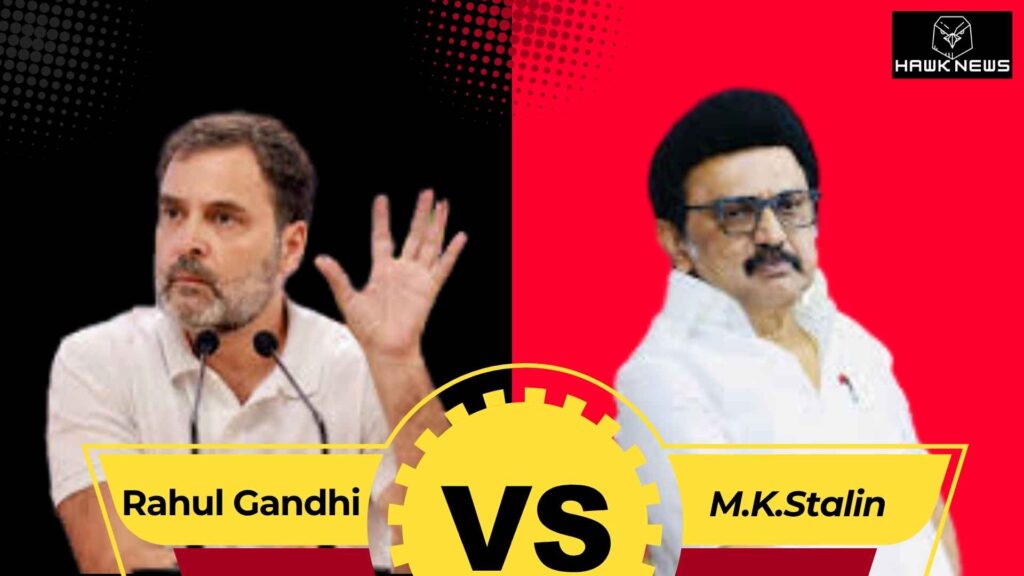
In the middle of a high-stakes electoral fight in Tamil Nadu, one absence has become louder than any speech. Rahul Gandhi has not stepped into the state when his alliance partner needs him the most.
This is no longer a scheduling delay. It has turned into a political signal that is raising uncomfortable questions within the alliance.
The Deadline That Changed Everything
Until April 9, the Congress leadership had a defensible position. Rahul Gandhi was occupied with elections in Kerala and Puducherry, and political prioritization justified his absence from Tamil Nadu.
But today is April 16. That argument has expired. With Parliament now in session, the window for meaningful campaign intervention has nearly closed.
Late Entry, Limited Impact
Even if Rahul Gandhi arrives in the final two or three days, the question is simple. What can realistically change in such a short time frame?
Elections are not salvaged in the last 48 hours. They are built through sustained presence, repeated messaging, and visible leadership on the ground.
DMK’s One-Sided Campaign Burden
While Congress leadership remains absent, M. K. Stalin and his team have been consistently touring the state. The campaign calendar was planned weeks in advance, and DMK leaders have maintained visible momentum.
This has created a lopsided alliance where one partner is carrying the entire electoral weight while the other remains largely invisible.
Coordination Without Commitment
Multiple attempts were reportedly made by the DMK leadership to coordinate joint rallies with Rahul Gandhi. The responses, however, remained vague, offering assurances without timelines.
Even when both leaders were present in Puducherry on the same day, there was no joint appearance. That moment did not go unnoticed.
Seats Won in Negotiation, Not in Campaign
Congress fought hard within the alliance to secure 28 seats. It was a prolonged negotiation, reflecting the party’s desire to maintain relevance in Tamil Nadu politics.
But securing seats is only the first step. Without active campaigning, those seats risk becoming symbolic victories with no electoral backing.
BJP’s Aggression Fills the Vacuum
While Congress hesitates, the BJP has turned Tamil Nadu into a high-visibility campaign zone. Narendra Modi has made repeated visits, and Amit Shah continues to maintain a strong presence.
On the ground, K. Annamalai has executed an aggressive campaign strategy, using helicopters and rapid travel to dominate visibility across districts.
Narrative Capture by the Opposition
This vacuum has allowed the BJP to shape the narrative. Annamalai has repeatedly questioned Rahul Gandhi’s absence, suggesting a lack of unity within the alliance.
The criticism is strategic and effective. It converts Congress’s silence into a weapon against the DMK itself.
Silence From the Entire Congress High Command
The concern deepens when the absence is not limited to one leader. Mallikarjun Kharge has not actively campaigned in the state.
Priyanka Gandhi Vadra is also missing from the Tamil Nadu campaign landscape. This collective absence suggests a broader pattern rather than an individual delay.
Is Tamil Nadu Being Deprioritized?
Internal signals indicate that Rahul Gandhi’s focus has shifted toward West Bengal. If true, this raises a direct question about strategic prioritization.
Elections are defined not just by where leaders go, but by where they choose not to go. Tamil Nadu appears to be on the losing side of that choice.
The Ego Question No One Wants to Ask
There is no official confirmation of friction between Rahul Gandhi and M. K. Stalin. Yet, the lack of coordination, absence of joint rallies, and delayed responses create a perception gap.
In coalition politics, perception is often as damaging as reality. Even the suggestion of distance can weaken voter confidence.
Congress Cadre Losing Momentum
At the grassroots level, the impact is already visible. Congress workers who fought hard to secure seats now find themselves without central leadership support.
This has led to reduced enthusiasm, slower mobilization, and a growing sense of abandonment among local cadres.
DMK Forced Into Overdrive
The burden has shifted entirely onto the DMK. Stalin and his team are not only campaigning for their own candidates but also indirectly supporting Congress nominees.
This imbalance risks creating long-term friction within the alliance, especially if results do not meet expectations.
A Campaign Defined by Absence
In politics, presence builds trust. Absence creates doubt. Rahul Gandhi’s continued non-appearance has already shaped the perception of the alliance.
It is no longer about whether he will come. It is about what his absence has already communicated to voters.
Too Late to Reverse the Damage?
Even if Congress leadership enters the campaign now, the question remains whether the damage can be reversed. Momentum once lost is difficult to rebuild in the final days.
Voters respond to consistency, not last-minute urgency. A delayed campaign often appears reactive rather than decisive.
Strategic Silence or Political Miscalculation
There are only a few possible explanations. This could be a strategic decision to allocate resources elsewhere, a misreading of Tamil Nadu’s importance, or a deliberate distancing from the DMK.
None of these possibilities strengthen the alliance. Each one introduces a layer of uncertainty.
The Alliance at a Crossroads
The DMK–Congress partnership has been a key pillar in Tamil Nadu’s political landscape. But alliances are sustained not just by agreements, but by shared effort and visible unity.
Right now, that unity is being questioned not by opponents alone, but from within.
The Final Verdict Lies Ahead
The election outcome will ultimately determine whether this absence had a measurable impact. But the political consequences may extend beyond results.
Because alliances are built on trust. And once that trust is shaken, rebuilding it becomes the real challenge.
One Question That Refuses to Fade
Is this merely a delay, or is it a deeper signal about Congress’s priorities? Is Rahul Gandhi stepping back temporarily, or redefining the alliance equation altogether?
In this silence, the loudest question remains unanswered.